Miracle in the Debris: 64-Year-Old Woman and Chinese National Rescued Alive After 10 Days in Devastating Nepal Floods
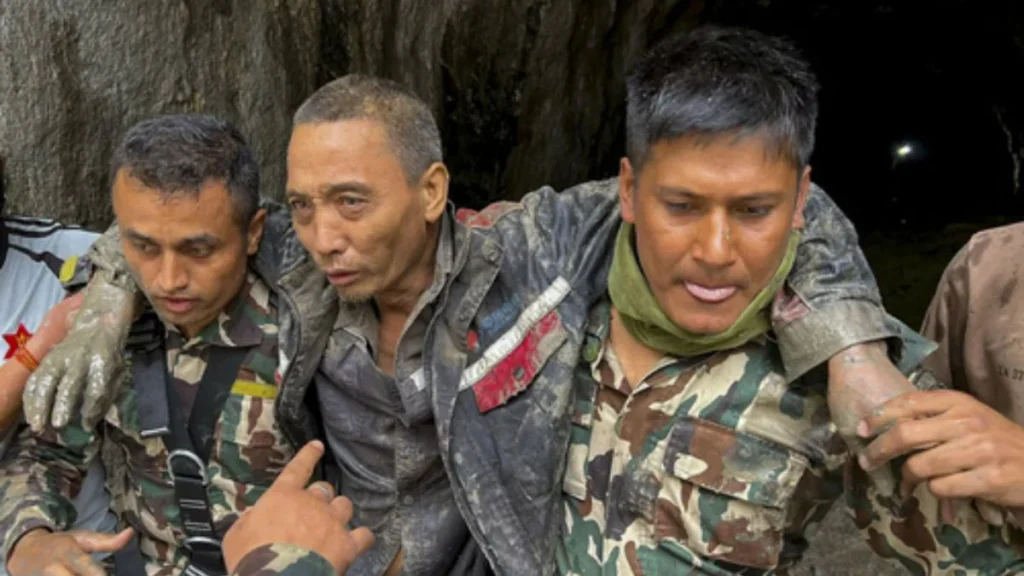
Miracle in the Debris: 64-Year-Old Woman and Chinese National Rescued Alive After 10 Days in Devastating Nepal Floods
In what can only be described as a miraculous triumph of the human spirit and relentless rescue operations, two individuals—a 64-year-old local woman and a Chinese national—have been pulled alive from the wreckage of the catastrophic floods that have recently battered Nepal. Surviving ten grueling days trapped beneath thick mud, concrete, and debris, their rescues stand as a beacon of hope amidst the staggering devastation left in the wake of torrential monsoon downpours.
As the Himalayan nation grapples with one of its most severe natural disasters in recent memory, these extraordinary tales of survival have galvanized rescue workers and provided a much-needed morale boost to a country in mourning.
The Rescues: Defying the Odds
The destructive floods and subsequent landslides swept through valleys and hillsides with terrifying speed, obliterating homes, roads, and vital infrastructure. For over a week, hundreds of families have anxiously awaited news of their missing loved ones, clinging to fading hopes as rescue teams meticulously combed through the suffocating layers of mud and silt.
The Survival of a 64-Year-Old Woman
The first astonishing rescue involved a 64-year-old woman whose identity has been kept private by authorities as she receives critical medical care. Emergency responders found her unconscious on the fourth floor of a residential building that had been heavily inundated and buried under a formidable layer of thick debris.
Given the structural compromise of the building, reaching her was a highly precarious operation. Rescue teams, comprised of the Nepali Army and local disaster response units, had to carefully excavate the suffocating mud that had breached the upper levels of the structure. Medical professionals believe that her survival over the ten-day ordeal, without access to food or clean drinking water, pushes the limits of human endurance. She was immediately airlifted to a specialized medical facility in Kathmandu, where she is currently being treated for severe dehydration, hypothermia, and shock.
Luhaitao: Trapped in the Depths
Simultaneously, another incredible story of survival was unfolding at a heavily damaged hydroelectric project site. Chinese national Luhaitao, an engineer working on the region’s expanding hydropower infrastructure, was discovered alive inside one of the project’s subterranean tunnels.
When the floods triggered massive mudslides, the entrance to the tunnel was completely sealed off by tons of earth and boulders, trapping Luhaitao in complete darkness. For ten days, he survived in the damp, cold environment of the tunnel. Rescuers utilizing ground-penetrating radar and heavy excavation machinery finally managed to breach the blockage.
Upon his extraction, Luhaitao was reportedly weak and disoriented but remarkably responsive. He was provided emergency triage at the site before being transported to a hospital. His rescue has brought immense relief to the international workforce stationed in Nepal and highlights the unique dangers faced by infrastructure workers in disaster-prone terrains.
Widespread Devastation and the Monsoon’s Fury
These two miracles occur against a backdrop of widespread tragedy. The recent monsoon season has unleashed an unprecedented volume of rainfall across Nepal, causing rivers to burst their banks and triggering deadly landslides across the mountainous topography. Entire villages have been severed from the outside world, with communication lines down and access roads washed away.
The humanitarian toll is staggering. Thousands of people have been displaced, forced into temporary shelters that are now straining under the continuous influx of climate refugees. The agricultural sector, a lifeline for rural communities, has suffered catastrophic losses, with vast tracts of ready-to-harvest crops completely destroyed by the deluge.
The Impact on Infrastructure: A Setback for Hydropower
Luhaitao’s harrowing ordeal sheds light on another critical dimension of the disaster: the severe impact on Nepal’s booming hydroelectric sector. The country, harnessing its vast river networks, has invested heavily in hydropower projects, often in collaboration with international partners like China and India, aiming to become a major energy exporter in South Asia.
However, these projects are inherently located in deep river valleys—the exact areas most vulnerable to flash floods and landslides. The recent deluge has caused millions of dollars in damages to dam structures, powerhouses, and access tunnels. The trapping of workers like Luhaitao underscores the urgent need for enhanced disaster preparedness, stronger structural reinforcements, and better early-warning systems at these remote construction sites.
Heroism on the Frontlines
The rescues of the 64-year-old woman and Luhaitao are a testament to the unyielding dedication of Nepal’s first responders. The Nepali Army, the Armed Police Force, and the Nepal Police have been working around the clock in treacherous conditions. Often operating in areas where the threat of secondary landslides remains perilously high, these men and women have risked their own lives to search for survivors.
Furthermore, local community members have played an indispensable role. Armed with little more than shovels and their bare hands, neighbors have formed human chains to clear debris and distribute whatever meager supplies they can scavenge to those in need.
International aid has also begun to trickle in, with neighboring countries and global humanitarian organizations dispatching search-and-rescue specialists, medical teams, and emergency relief supplies. However, the rugged terrain and damaged transportation networks continue to pose significant logistical nightmares.
The Road to Recovery and Climate Realities
As the floodwaters slowly begin to recede, Nepal faces a monumental recovery and rebuilding effort. The immediate focus remains on locating the missing, preventing the outbreak of waterborne diseases, and providing adequate shelter and sustenance to the displaced.
Yet, beyond the immediate crisis, this disaster forces a difficult conversation about climate change. Meteorologists and environmental scientists have repeatedly warned that rising global temperatures are altering the monsoon patterns in the Himalayas, leading to more erratic, intense, and concentrated rainfall. The melting of Himalayan glaciers further exacerbates the risk of sudden, catastrophic flooding downstream.
For Nepal, adapting to these new climate realities is no longer a theoretical exercise but an urgent matter of national survival. Future infrastructure development, urban planning, and disaster management protocols must be entirely reevaluated to withstand the escalating extremes of nature.
Conclusion
The miraculous rescues of the 64-year-old woman and Luhaitao after ten days trapped in the dark offer a profound reminder of human resilience. They are rare moments of profound joy in a chapter otherwise marked by profound loss for Nepal. As the country mourns its dead and begins the arduous task of rebuilding, the courage of the survivors and the tireless efforts of the rescue teams will undoubtedly serve as the foundation upon which a stronger, more resilient Nepal will eventually rise.