Sheikh Hasina Seeks New Passport, Dhaka Asks: “Is She Coming to Visit Her In-Laws?”
Sheikh Hasina Seeks New Passport, Dhaka Asks: “Is She Coming to Visit Her In-Laws?”
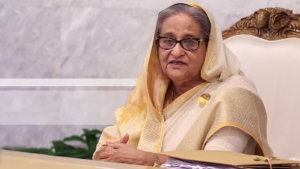
Bangladesh’s ousted prime minister, who has lived in India for more than two years, has applied through her lawyers for a new passport and identity card. She says she wants to return and surrender before a court. Dhaka has signalled it is likely to reject the request.
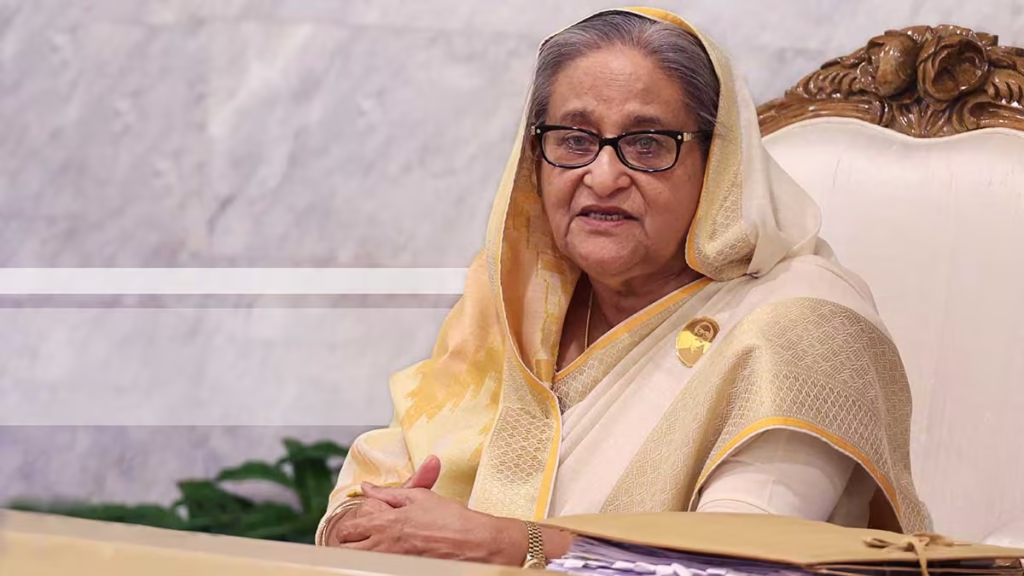
Former Bangladesh Prime Minister Sheikh Hasina has taken her first concrete step towards returning home. Reuters reported on Monday, 9 November, that her lawyers wrote to Bangladesh’s embassy in New Delhi seeking a fresh passport and national identity card (NID). It is the first formal attempt at a return since she fled to India in August 2024, when a student-led uprising toppled her government.
What the lawyers’ letter says
Hasina’s London-based lawyers at Matrix Chambers wrote to Preeti Rahman, acting high commissioner at the embassy. The letter says her existing Bangladeshi passport and NID have reportedly been revoked by the interim government and other authorities. It asks the embassy to take the necessary steps to issue new ones.
The lawyers also asked that both applications be processed “expeditiously”, on the basis of her Bangladeshi nationality and in line with obligations under international human rights instruments.
Reports say Hasina plans to return in December and surrender before a court in Bangladesh. The date will be announced once various formalities are complete.
Dhaka’s sharp response
Bangladesh’s state minister for foreign affairs, Humaiun Kobir, told The Daily Star that an extradition treaty is in force between Bangladesh and India. In his view, Hasina therefore does not need a passport.
Kobir called her a “terrorist” and a “fugitive” and insisted that Dhaka wants her handed over. He was quoted as asking whether she was coming to visit her in-laws’ home in Rangpur, such that she should be given a passport. That remark gave the report its headline. The labels and the quip are the minister’s words, not established findings.
A death sentence she disputes
In November last year, Bangladesh’s war-crimes court sentenced Hasina to death in her absence. The charge was that she ordered a deadly crackdown on the student-led uprising. She has denied the charges from exile.
Her party, the Awami League, is banned in Bangladesh. Many of its leaders are in jail and several are in self-imposed exile. If she returns, she faces serious legal proceedings.
The passport dispute has a history
The passport row did not start this week. In August 2024, the interim government revoked Hasina’s diplomatic passport. The interior ministry said at the time that former prime ministers and their spouses lose such passports once they leave office. It added that anyone applying for an ordinary passport afterwards would need clearance from two security agencies.
In January 2025, the government said it had cancelled the passports of Hasina and 96 others, citing alleged involvement in enforced disappearances and the killings during the July 2024 unrest. So the lawyers’ request effectively asks for new documents from the same government that calls her a fugitive.
What the extradition treaty provides
India and Bangladesh signed an extradition treaty in 2013, amended in 2016. According to the report, a person who is extradited does not need a standard commercial passport. Such transfers happen through state-issued travel permits or direct handovers between security agencies.
Dhaka formally asked India to send Hasina back after her sentencing, and the interim government had made a request as early as December 2024. Its position is that the formal extradition process, routed through the home ministry, takes precedence over ordinary travel rules.
India’s position
New Delhi has acknowledged receiving the extradition request but has not committed to surrendering her. According to the report, India is examining it under its own legal framework and political considerations. The process is effectively under review.
What her return could change
Hasina ruled Bangladesh for 20 years as prime minister and still has support among parts of the population. Political observers say her return could deepen divisions while the government in Dhaka tries to restore stability after more than two years of upheaval.
It could also help repair Bangladesh’s strained ties with India, which deteriorated sharply after New Delhi gave her refuge.
What to watch next
- Whether the Bangladesh embassy gives any formal response to the application
- Whether India clarifies its stance on the extradition request
- Any announcement of a return date and the surrender process
- Legal routes against the death sentence, which the report does not detail
For now the two sides are far apart. Hasina says she wants to face a court. Dhaka says she must come back through extradition, not on a fresh passport.