Jantar Mantar Internet Shutdown: CJP Fears Imminent Police Crackdown as Student Protests Intensify in Delhi
Jantar Mantar Internet Shutdown: CJP Fears Imminent Police Crackdown as Student Protests Intensify in Delhi
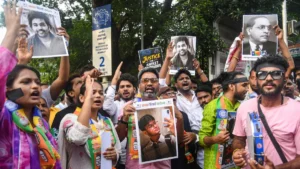
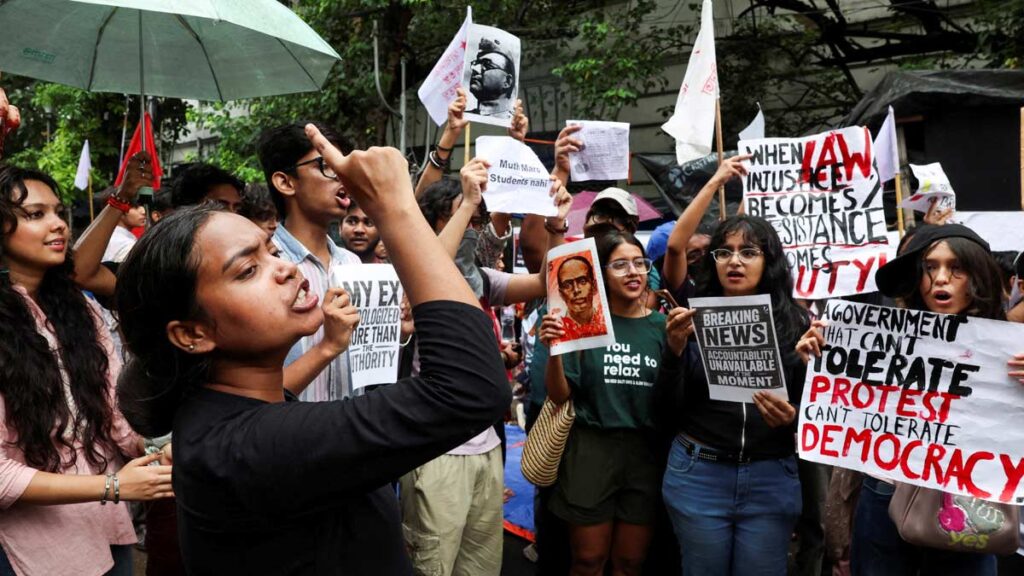
The heart of India’s democratic discourse, Jantar Mantar in New Delhi, is once again at the center of a tense standoff between the state apparatus and civilian demonstrators. On Wednesday, the Cockroach Janata Party (CJP) leveled serious allegations against the authorities, claiming that internet services had been systematically suspended in and around the protest site. This digital blackout comes at a critical juncture, as hundreds of students and CJP supporters continue their relentless agitation demanding the immediate resignation of Union Education Minister Dharmendra Pradhan. The alleged internet suspension has triggered widespread alarm among activists, who fear it may be the precursor to a heavy-handed police crackdown.
The Allegations: A Pretext for State Action?
The controversy was ignited when CJP founder Abhijeet Dipke took to X (formerly Twitter) to alert the public about the sudden loss of connectivity at the protest epicenter. Questioning the motives behind the internet shutdown, Dipke voiced the growing anxieties of the demonstrators.
“Internet service shutdown at Jantar Mantar. Govt planning another brutal crackdown?” his post read, reflecting the palpable fear of imminent state violence.
In the modern era of activism, the internet serves as a vital tool for coordination, ensuring the safety of protesters, and broadcasting ground realities to the outside world. When connectivity is severed, it often leaves demonstrators isolated and vulnerable. Recognizing this peril, Dipke’s social media dispatch was not just a mere update; it was a desperate call for transparency and restraint.
An Appeal to Law Enforcement
In a striking move, Dipke directly addressed the police and paramilitary personnel deployed at Jantar Mantar. He appealed to their conscience, urging them to defy directives that could lead to violence against peaceful agitators.
“Appeal to police and paramilitary forces deployed to crush the protest. Do not obey illegal orders that ask you to beat up innocent protesters. This is your test as well. Will you stand with the people, or with authoritarians,” he wrote.
This emotional and ethical appeal highlights the deepening mistrust between the agitating youth and law enforcement agencies. It underscores a broader narrative playing out in the capital, where the lines between maintaining public order and suppressing democratic dissent are becoming increasingly blurred.
Escalating Tensions and Heightened Security
The backdrop to the internet suspension is a volatile mix of recent clashes and heightened security protocols. The situation in New Delhi took a sharp downturn following an alarming incident at nearby Connaught Place. According to official reports, a contingent of the Delhi Police was subjected to a sudden attack by unidentified miscreants who hurled stones and bottles, resulting in injuries to at least one police officer.
In response to this localized violence, the Delhi Police immediately intensified their security dragnet around Jantar Mantar. Authorities often argue that the suspension of internet services and the bolstering of physical security are standard operating procedures designed to prevent the mobilization of anti-social elements and to curb the spread of inflammatory rumors. However, for the students braving the elements, these measures feel like a systematic siege aimed at breaking their resolve.
The Catalyst: The ‘Sansad Chalo’ March
The current wave of protests is not an isolated event but the continuation of a struggle that peaked on July 20. On that day, the students had organized a massive “Sansad Chalo” (March to Parliament) rally to amplify their demands against the Union Education Minister. The march, however, was abruptly halted by heavy police deployment.
The confrontation quickly descended into chaos as law enforcement utilized batons and tear gas to disperse the demonstrators. The aggressive crowd-control tactics resulted in multiple injuries on both sides, with several protesters and police personnel requiring medical attention. The memories of the July 20 clashes are still fresh, and they serve as a grim reminder of how quickly the situation can deteriorate. The CJP’s apprehension of a “fresh crackdown” is deeply rooted in the trauma of this recent state intervention.
Sonam Wangchuk’s Hunger Strike: A Plea for Amnesty
Adding immense moral weight and urgency to the unfolding drama is the ongoing hunger strike by renowned activist Sonam Wangchuk. Having been on an indefinite fast since June 28, Wangchuk’s deteriorating health has become a focal point of national concern.
Recently shifted from Safdarjung Hospital to Medanta Hospital in Gurugram under the directives of the Delhi High Court, Wangchuk made a significant conditional offer on Wednesday. He announced that he would voluntarily end his punishing fast if the central government provided a firm assurance that no punitive actions or First Information Reports (FIRs) would be initiated against the students and youth who participated in the protests.
Wangchuk’s statement is a strategic attempt to shield the vulnerable student population from long-term legal persecution. It frames the protests not as acts of criminality, but as expressions of legitimate democratic grievance that warrant dialogue rather than punitive retaliation.
The Broader Context: Internet Shutdowns in India
The alleged suspension of internet at Jantar Mantar brings into sharp focus India’s controversial reliance on digital blackouts as a tool for law and order. India has frequently topped global lists for the highest number of localized internet shutdowns. While authorities justify these measures as necessary to prevent violence during volatile times, civil rights groups argue that such blackouts violate fundamental rights to free speech and information.
By plunging Jantar Mantar into a digital dark zone, the authorities may tactically disrupt the logistical coordination of the protesters. However, such actions often backfire by drawing intense criticism, framing the government’s response as draconian rather than democratic.
What Lies Ahead?
As the standoff at Jantar Mantar enters a critical phase, the stakes continue to rise. The Cockroach Janata Party’s fears of a looming crackdown, coupled with the emotional appeals to law enforcement and the physical toll on activists like Sonam Wangchuk, paint a picture of a democracy under immense stress. The demand for Dharmendra Pradhan’s resignation continues to resonate strongly among the protesting youth. Whether the government chooses the path of suppression—foreshadowed by the alleged digital blackout—or opts for constructive dialogue and amnesty, will determine not just the outcome of this protest, but the health of civil liberties in the nation’s capital.