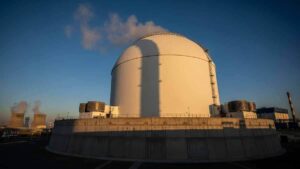
Sikkim Tunnel Tragedy: Landslide and Toxic Gas Leak Leave 10 Dead, Dozens Trapped in Namchi District
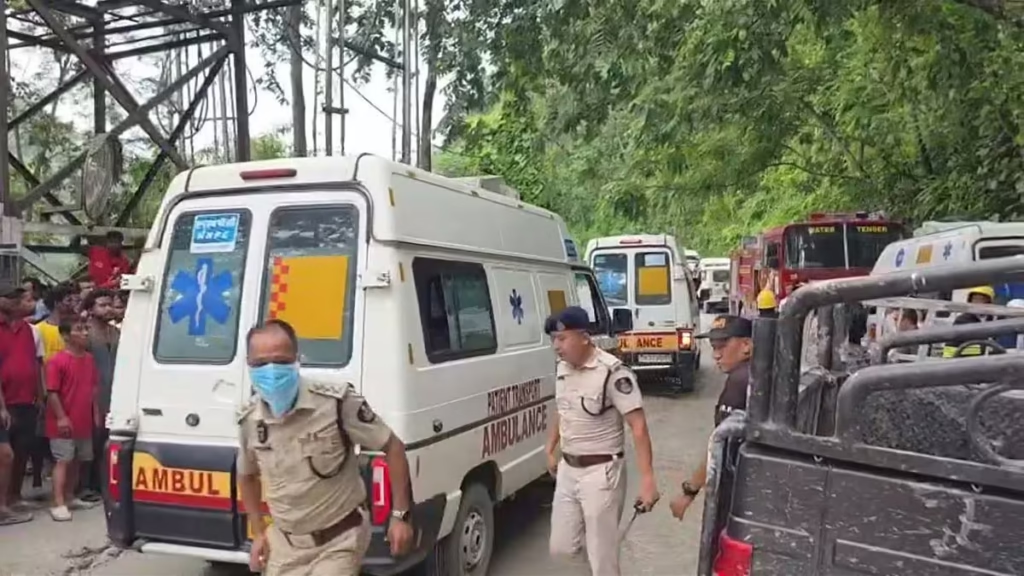
Sikkim Tunnel Tragedy: Landslide and Toxic Gas Leak Leave 10 Dead, Dozens Trapped in Namchi District
Gangtok, Sikkim — July 21, 2026
A massive, high-stakes rescue operation is underway on a war-footing in Sikkim’s Namchi district following a catastrophic landslide that triggered a deadly tunnel collapse at an under-construction hydroelectric project site. The disaster, which occurred late Monday afternoon, has resulted in the tragic deaths of at least 10 workers, while approximately 15 to 18 others remain trapped deep underground. Complicating the desperate search for survivors is a severe leak of suspected methane gas, which has drastically reduced visibility and caused several rescue personnel to lose consciousness during early recovery attempts.
The incident took place at the Samardung, Jholungey site of the Teesta Stage VI Hydroelectric Power Project. According to state officials, a sudden and massive landslide blocked the entrance of the ADIT-3 tunnel, effectively sealing off the only exit for the engineers and laborers working inside.
The Deadly Combination: Landslide and Toxic Gas
Preliminary reports from the district administration indicate that the workers—comprising personnel from the National Hydroelectric Power Corporation (NHPC) and the project developer Patel Engineering—were on a routine shift and inspection roughly 1.5 to 3 kilometers inside the 7-kilometer tunnel when the disaster struck.
Survivors and on-site engineers reported hearing a massive explosive sound right before the entrance caved in. Authorities suspect that the landslide either disturbed volatile underground rock strata or ruptured an existing pocket of trapped subterranean gas, leading to a massive leak of methane. The toxic fumes quickly filled the confined space of the tunnel, creating an immediate asphyxiation hazard for those trapped and presenting a formidable barrier for the first responders.
A Treacherous Rescue Mission
The Namchi district administration received the first distress call at approximately 3:40 PM on Monday. Immediately, a multi-agency rescue task force was mobilized, comprising the National Disaster Response Force (NDRF), the State Disaster Response Force (SDRF), Sikkim Police, and local Fire and Emergency Services.
However, the rescue mission quickly turned perilous. First responders attempting to breach the blocked entrance were met with dangerously high concentrations of the suspected methane gas. Several rescue personnel experienced acute dizziness, respiratory distress, and loss of consciousness, forcing a temporary tactical withdrawal to reassess the approach and prevent further casualties.
To combat the hazardous environment, a specialized rescue unit from neighboring West Bengal—equipped with advanced gas-protective gear, oxygen tanks, and heavy-duty ventilation equipment—was airlifted to join the operation.
District Collector Anupa Tamling provided a sobering update on the ongoing efforts: “The rescue operation is becoming increasingly difficult due to methane gas exposure, the narrow confines of the tunnel, and near-zero visibility. Our absolute priority is to reach the trapped workers. Ambulances are on standby, and our medical teams are fully prepared, but the environmental hazards inside the shaft are unprecedented.”
High-Level Coordination and Response
The sheer scale of the tragedy has drawn immediate attention from the highest levels of the state and central governments. Sikkim Chief Minister Prem Singh Tamang expressed deep anguish over the loss of life and has been closely monitoring the situation from Gangtok.
“I am deeply saddened by the tragic incident at the under-construction tunnel of the NHPC Teesta Stage VI Hydroelectric Project. My heartfelt condolences go to the families of the workers who have lost their lives,” Chief Minister Tamang stated in an official release. “I have directed all concerned authorities to extend every possible assistance, expedite the rescue efforts, and ensure that the highest standards of safety are strictly followed. We remain committed to doing everything possible to bring this mission to a safe conclusion.”
Prime Minister Narendra Modi also intervened directly, placing a telephone call to Chief Minister Tamang to take stock of the crisis. According to a state government statement, the Prime Minister expressed his profound concern for the affected families and assured the Sikkim government of unrestricted logistical and financial support from the central government to aid the rescue and relief operations.
The Human Toll and Project Background
As of Tuesday morning, officials confirmed that 12 workers had been successfully pulled from the rubble and transported to medical facilities, including the Singtam District Hospital, the STNM Hospital in Gangtok, and the Namchi District Hospital. They are currently being treated for injuries ranging from blunt force trauma to severe toxic gas inhalation.
Tragically, the death toll has steadily climbed to 10 as rescue teams penetrate deeper into the debris field. The exact number of those still trapped remains fluid, though official estimates suggest that between 15 and 18 workers are still unaccounted for, trapped in what authorities hope are breathable air pockets further down the shaft.
The Teesta Stage VI Hydroelectric Project, a major infrastructure initiative spearheaded by NHPC with Patel Engineering executing the civil works, is designed as a run-of-the-river scheme to harness the immense hydroelectric potential of the Teesta River. However, the treacherous geology of the Himalayas has repeatedly posed severe engineering challenges, with landslides being a frequent and deadly risk during the monsoon season. Continuous heavy rainfall over the past week had already destabilized the mountainous terrain, likely serving as the catalyst for Monday’s fatal mudslide.
The Race Against Time
As the hours pass, the window for a successful rescue is rapidly closing. The trapped workers are facing a triple threat: dwindling oxygen supplies, the persistent danger of secondary landslides, and the ever-present toxic gas filling the tunnel.
The Sikkim State Disaster Management Authority (SSDMA) has established a 24/7 control room at the site, coordinating the deployment of heavy earth-moving machinery to clear the entrance while simultaneously pumping fresh air into the tunnel through specialized ventilation tubes. A high-level inquiry has also been ordered to ascertain whether safety protocols were strictly adhered to and if the gas leak could have been detected earlier by geological hazard sensors.
For now, the focus of the hundreds of rescue personnel remains singular: breaching the final wall of debris and reaching the men trapped in the dark.