Trump-Appointed FEMA Disaster Chief Sparks Controversy Over ‘Teleportation’ Claims, Raises Questions on Crisis Leadership
Trump-Appointed FEMA Disaster Chief Sparks Controversy Over ‘Teleportation’ Claims, Raises Questions on Crisis Leadership
Washington, D.C.: A fresh controversy has erupted in the United States after revelations about a senior disaster response official appointed during Donald Trump’s administration resurfaced, raising serious concerns over leadership credibility within the country’s emergency management system.
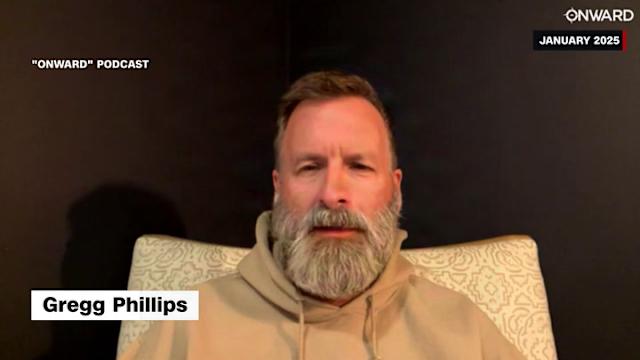
At the center of the debate is Gregg Phillips, who currently heads a key division within the Federal Emergency Management Agency (FEMA). Reports indicate that Phillips had previously made unusual claims, including stating that he believed he had been “teleported” to different locations—remarks that are now drawing widespread scrutiny given his critical role in national disaster response.
Controversial Claims Resurface
The controversy stems from past podcast appearances in which Phillips described bizarre personal experiences. In one instance, he claimed he suddenly found himself miles away at a restaurant without recalling how he got there. In another account, he reportedly said he had been moved a significant distance and ended up in a roadside ditch.
These claims, described by Phillips as unexplained or even spiritual in nature, have resurfaced following his appointment to a high-level disaster response role. Critics argue that such statements raise questions about his judgment and suitability for overseeing emergency operations that affect millions of Americans.
While Phillips has not publicly reiterated these claims since assuming office, their re-emergence has triggered alarm among policy experts and former emergency management officials.
FEMA’s Critical Role Under Scrutiny
The Federal Emergency Management Agency plays a central role in coordinating disaster relief across the United States, including responses to hurricanes, wildfires, floods, and other emergencies. The agency’s leadership is expected to make rapid, high-stakes decisions during crises.
Experts warn that credibility and experience are essential in such positions. However, reports indicate that Phillips lacks extensive formal experience in disaster management, further intensifying concerns about his appointment.
Adding to the unease, his past involvement in promoting debunked conspiracy theories—particularly related to election fraud—has also been widely reported, deepening skepticism about his leadership.
Government Response and Defense
Despite the backlash, officials within FEMA and the Department of Homeland Security have sought to downplay the controversy. According to reports, the remarks were made before Phillips assumed his current role and were described as personal reflections rather than official statements.
Authorities have emphasized that FEMA remains committed to its mission of disaster preparedness and response, and that internal operations continue without disruption.
However, critics argue that the issue goes beyond isolated remarks and reflects broader concerns about leadership standards within the agency.
Wider Concerns About Disaster Preparedness
The controversy comes at a time when FEMA itself is undergoing significant changes under the Trump administration. Policy discussions have included proposals to reduce the agency’s role and shift greater responsibility for disaster response to individual states.
Such proposals have drawn criticism from experts who warn that many states lack the resources and infrastructure to handle large-scale disasters independently. Analysts note that FEMA’s centralized structure allows for coordination, funding, and expertise that would be difficult to replicate at the state level.
Recent policy debates have also highlighted staffing cuts, restructuring plans, and delays in disaster aid—factors that some believe could weaken national preparedness.
Political and Public Reaction
The resurfacing of Phillips’ statements has sparked political reactions across party lines. Critics argue that appointing individuals with controversial backgrounds to key roles undermines public trust in institutions responsible for safety and crisis management.
Some emergency management professionals have expressed concern that such controversies could distract from FEMA’s core mission, particularly at a time when climate-related disasters are becoming more frequent and severe.
Meanwhile, supporters of the administration have dismissed the controversy as overblown, suggesting that past personal remarks should not overshadow current performance in office.
The Bigger Picture
The issue highlights a broader debate about leadership, accountability, and expertise in government agencies. Disaster response is a highly specialized field requiring coordination between federal, state, and local authorities, as well as scientific and logistical expertise.
Experts stress that even minor lapses in judgment or communication can have significant consequences during emergencies, making leadership quality a critical factor.
The controversy also underscores the growing intersection between politics and public administration, particularly in agencies tasked with handling national crises.
What Lies Ahead
As scrutiny intensifies, attention is likely to remain on both Phillips and the Trump administration’s broader approach to disaster management. Congressional oversight and public debate could play a key role in shaping future decisions regarding FEMA’s leadership and structure.
For now, the agency continues its operations, but the controversy serves as a reminder of the importance of trust, expertise, and accountability in institutions responsible for protecting lives during emergencies.
Conclusion
The resurfacing of unusual claims by a top FEMA disaster response official has ignited a national debate over leadership standards and preparedness in the United States. While officials insist that the agency remains fully functional, the controversy raises important questions about the qualifications and credibility of those entrusted with managing crises.
As the U.S. faces increasing environmental and disaster-related challenges, the effectiveness of its emergency response system—and the people leading it—will remain under close scrutiny.