Winter Sets In Across Odisha: Similiguda Records Season’s Lowest Temperature at 11.6°C
Winter Sets In Across Odisha: Similiguda Records Season's Lowest Temperature at 11.6°C
BHUBANESWAR — The unmistakable chill of winter has finally arrived in Odisha, bringing a noticeable dip in temperatures across the state. As dry, cold northerly winds sweep through the region, residents are waking up to crisp mornings and foggy landscapes. The sudden drop in mercury marks the official onset of the winter season, prompting people to unpack their woolens and prepare for colder days ahead.
According to the latest meteorological data, the hill station of Similiguda in the Koraput district emerged as the coldest place in the state, recording a shivering low of 11.6°C. The sharp decline in temperature is not isolated to the hilly terrains; the plains and coastal belts are equally experiencing the seasonal transition, setting the stage for a chilly November.
Temperature Plunges Across the State
Data released by the India Meteorological Department (IMD) on Tuesday morning at 8:30 AM confirmed that the minimum temperatures have plummeted below the 20-degree Celsius mark in a majority of districts. The twin cities, which usually experience milder winters due to their geographical positioning, have also recorded a considerable fall in mercury levels.
The state capital, Bhubaneswar, registered a minimum temperature of 18.5°C. Neighboring Cuttack (Kataka) felt slightly cooler, recording a minimum of 17.4°C. While these temperatures are manageable, they represent a significant drop from the humid and warm conditions that prevailed just weeks ago.
In the plains, the industrial town of Jharsuguda and the tribal-dominated Phulbani shared the distinction of recording the lowest minimum temperature, both shivering at 14.5°C. The western parts of Odisha, known for their extreme weather patterns during both summer and winter, witnessed a sharp decline as well. Raurkela recorded a cool 15.7°C, while the areas around the Hirakud dam and Sambalpur city recorded 16°C and 16.2°C, respectively.
The northern regions of the state were not spared from the cold wave. Kendujhar (Keonjhar), known for its lush green forests and mineral-rich lands, recorded a minimum temperature of 16.6°C, making for a distinctly cold night for its residents.
The Science Behind the Chill
The sudden and widespread drop in temperatures is primarily attributed to the shifting wind patterns over the Indian subcontinent. The IMD explained that dry and cold northerly winds, originating from the snow-clad Himalayas and moving across the northern plains, are currently penetrating the state.
These winds are effectively replacing the moisture-laden southerly winds, leading to clear skies, dry air, and a rapid loss of terrestrial heat during the night. The meteorological department has forecast that as these northerly winds strengthen, the night temperatures across Odisha are highly likely to decline further in the coming days. Residents have been advised to brace for colder nights and early mornings as November progresses.
Fog and Visibility Issues
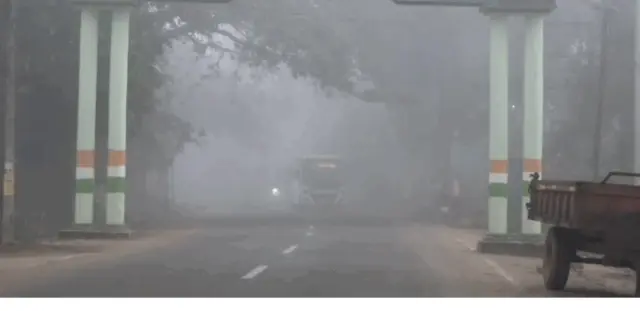
With the dropping temperatures comes the inevitable winter fog, disrupting early morning visibility and daily routines. The IMD reported that dense fog enveloped Raurkela, significantly reducing visibility to a mere 50 to 200 meters. This prompted authorities to issue advisories for early morning commuters and commercial drivers navigating the state highways.
Meanwhile, Phulbani—a region highly popular among tourists during the winter months for its scenic beauty and freezing temperatures—witnessed shallow fog in the morning. As the winter intensifies, the frequency and density of these foggy mornings are expected to increase, particularly in the interior, forested, and hilly regions of the state.
The Impact on Daily Life and Agriculture
The onset of winter brings a mixed bag of reactions across the state. In urban centers like Bhubaneswar and Cuttack, the pleasant weather is a welcome relief from the oppressive post-monsoon humidity. Street vendors selling tea, hot snacks, and winter garments are seeing a sudden surge in business.
In the rural and tribal belts, particularly in Kandhamal, Koraput, and Sundargarh districts, the severe cold dictates a change in lifestyle. People are resorting to traditional bonfires to keep themselves warm during the biting cold nights.
Agriculturally, the cool and dry weather is generally considered favorable for the upcoming Rabi crop season. Farmers are preparing their fields for winter crops like mustard, wheat, and various vegetables, which thrive in these conditions. However, dense fog and excessive ground frost—if temperatures drop drastically—could pose a threat to certain sensitive crops in the high-altitude regions.
Looking Ahead
As the chill deepens, the state government and local health authorities are urging citizens, especially the elderly and children, to take necessary precautions against cold-related ailments. With Similiguda already touching 11.6°C and places like Phulbani and Daringbadi gearing up for even colder days, Odisha is fully settling into the rhythm of winter.
The IMD continues to monitor the weather systems closely, providing daily updates on temperature fluctuations. For now, the people of Odisha are enjoying the crisp winter sun and gearing up for what promises to be a prolonged and chilly season.