Trump Announces Two-Week Iran Ceasefire, Global Markets Rally as Oil Prices Plunge and Diplomacy Gains Momentum
Trump Announces Two-Week Iran Ceasefire, Global Markets Rally as Oil Prices Plunge and Diplomacy Gains Momentum
In a dramatic turn of events that has reshaped global geopolitical and economic sentiment, U.S. President Donald Trump has announced a two-week ceasefire with Iran, marking a crucial pause in a conflict that has rattled the world for weeks. The temporary truce, brokered with the help of Pakistan, has not only opened a diplomatic window but also triggered a strong rally across global financial markets.
The ceasefire comes at a critical juncture in the ongoing conflict, which began in late February and quickly escalated into a multi-front confrontation involving the United States, Iran, and Israel. The war disrupted global supply chains, sent oil prices soaring, and raised fears of a prolonged economic crisis. Now, with diplomacy taking centre stage, the world is cautiously optimistic.
Last-Minute Deal Avoids Escalation
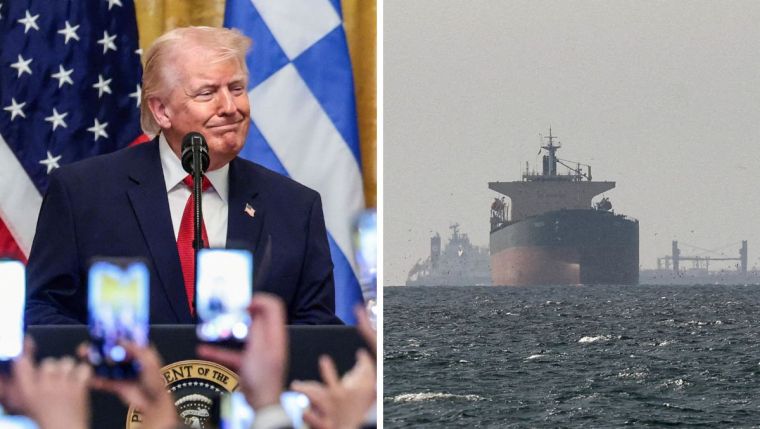
The agreement was reached just hours before a deadline set by Trump for Iran to reopen the strategically vital Strait of Hormuz or face massive military strikes. The waterway, which handles nearly one-fifth of global oil shipments, had become a flashpoint during the conflict.
Under the terms of the truce, Iran has agreed to halt its counter-attacks and ensure safe passage through the strait, while the United States and its allies will suspend bombing operations for two weeks.
Trump described the ceasefire as a “double-sided” agreement and indicated that it was based on a 10-point proposal submitted by Iran, which he called a “workable basis” for long-term peace negotiations.
Pakistan’s Crucial Mediation Role
Pakistan played a key role in brokering the agreement, with Prime Minister Shehbaz Sharif and military chief Asim Munir facilitating back-channel negotiations between Washington and Tehran. The proposed framework, often referred to as the Islamabad Accord, aims to create space for broader diplomatic engagement over the coming weeks.
Talks are expected to continue during the ceasefire period, potentially leading to a more permanent resolution. However, analysts caution that the agreement remains fragile and heavily dependent on mutual compliance.
Global Markets React with Relief
The announcement of the truce had an immediate and dramatic impact on global markets, which had been under pressure due to fears of prolonged instability in the Middle East.
Oil prices, which had surged during the conflict, fell sharply following the ceasefire announcement. Brent crude dropped below the $100 mark, settling around $93 per barrel, while U.S. crude also saw significant declines.
Stock markets around the world surged in response. Asian equities posted strong gains, while U.S. and European futures signaled a positive opening. The ceasefire also triggered a massive increase in market capitalization, with estimates suggesting nearly $900 billion added to global equities.
Investors welcomed the reduced risk of supply disruptions, particularly in energy markets, as the reopening of the Strait of Hormuz eased concerns over oil and gas flows.
Inflation Concerns Ease, But Risks Remain
The decline in oil prices has also brought temporary relief from inflationary pressures, which had been intensifying due to rising energy costs. Lower fuel prices could provide breathing room for central banks, potentially influencing future monetary policy decisions.
However, experts warn that the situation remains volatile. Damage to regional energy infrastructure and the uncertainty surrounding the ceasefire mean that prices could remain elevated in the medium term.
Market sentiment continues to be highly sensitive to developments in the region, with any breakdown in negotiations likely to trigger renewed volatility.
Human and Strategic Costs of the Conflict
The conflict has already taken a heavy toll, with thousands of casualties reported across multiple countries. According to estimates, more than 5,000 people have lost their lives, including a significant number of civilians.
In addition to the human cost, the war has strained international relations and highlighted the vulnerability of global energy supply chains. The temporary ceasefire offers a chance to reassess strategies and prioritize diplomatic solutions over military escalation.
A Critical Window for Diplomacy
The next two weeks are being seen as a निर्णायक moment for the future of the Middle East. Both sides have indicated a willingness to negotiate, but deep-rooted differences remain.
Iran has reportedly demanded sanctions relief, recognition of its nuclear rights, and a withdrawal of U.S. forces from the region. Meanwhile, the United States is seeking assurances on regional security and the free flow of energy resources.
Despite these challenges, the ceasefire has created a rare opportunity for dialogue. If successful, it could pave the way for a broader peace agreement and a more stable geopolitical landscape.