The Science of the First Step: Why Your Face Wash Decides How Your Skin Glows

The Science of the First Step: Why Your Face Wash Decides How Your Skin Glows
Most people chase glowing skin with serums, masks and expensive treatments. Dermatologists will tell you the real foundation is far simpler: how you cleanse. A face wash is the first step of every skincare routine, and if it is wrong or skipped, everything applied afterward works less effectively.
What Is Actually on Your Face?
By the end of a day, your skin carries a mix of sebum (natural oil), sweat, dead skin cells, dust, pollution particles, sunscreen and makeup. In a polluted or humid climate this layer builds up fast. Left in place, it clogs pores, dulls the surface and invites breakouts. Glow is largely a matter of light reflecting evenly off a smooth, clean, well-hydrated surface. Dirt and dead cells scatter that light, and the skin looks tired.
How Cleansing Creates Radiance
1. It clears the pores. Regular cleansing prevents oil and debris from hardening into blackheads and whiteheads, which keeps the skin’s texture even.
2. It improves product absorption. Moisturizers, vitamin C and retinoids penetrate better on clean skin. Applying them over a day’s grime wastes both money and effort.
3. It supports natural renewal. Skin sheds dead cells continuously. Gentle cleansing helps clear them away, so fresher cells are visible rather than a dull layer on top.
4. It protects the skin barrier. The right cleanser removes impurities without stripping the lipid layer that holds in moisture. A healthy barrier is the single biggest contributor to plump, dewy skin.
Choosing the Right Face Wash
The best face wash is the one that suits your skin type, not the one with the most foam.
- Oily or acne-prone skin: Gel or foaming cleansers with salicylic acid or niacinamide help control oil and unclog pores.
- Dry skin: Cream or milk cleansers with glycerin, ceramides or hyaluronic acid cleanse without tightness.
- Sensitive skin: Fragrance-free, soap-free and pH-balanced formulas lower the risk of irritation.
- Combination skin: A mild gel cleanser usually balances both zones.
Aim for a pH close to that of healthy skin, roughly 4.5 to 5.5. Harsh, high-pH soaps can leave skin tight, red and more oily over time as it overcompensates.
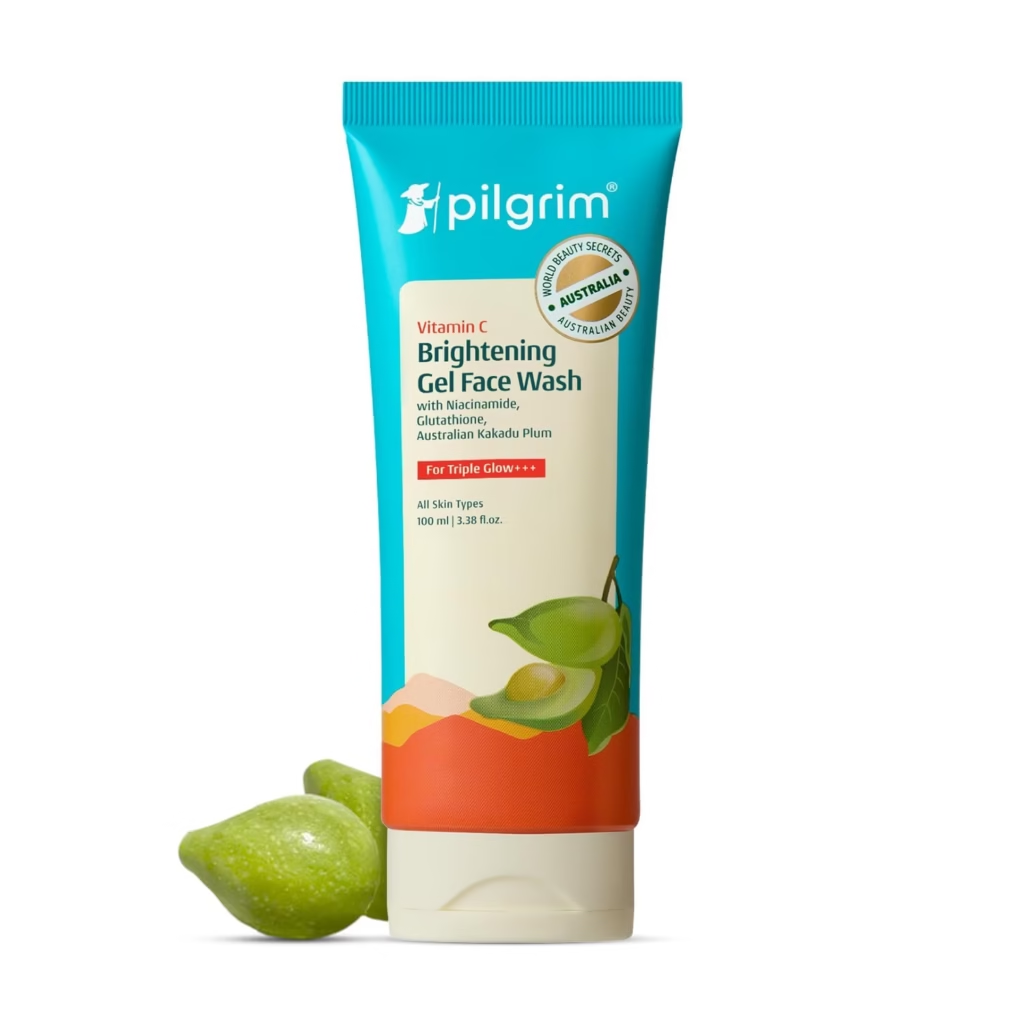
Click on picture to Buy best Facewash
How to Wash Properly
Technique matters as much as the product:
- Wash your hands first.
- Wet your face with lukewarm water. Hot water strips natural oils.
- Massage a small amount of cleanser in gentle circles for 30 to 60 seconds. Rushing gives the ingredients no time to work.
- Rinse thoroughly, including the hairline and jawline where residue hides.
- Pat dry with a clean towel. Do not rub.
- Apply moisturizer within a minute or two, while skin is slightly damp.
How Often?
For most people, twice a day is ideal: once in the morning and once at night. The night wash is the more important one, since it removes pollution, sweat and sunscreen. If you wear makeup or heavy sunscreen, double cleansing (an oil or balm first, then a face wash) is worth considering. Washing more than twice daily, or scrubbing hard, damages the barrier and can cause the very dullness and breakouts you are trying to avoid.
Common Mistakes
- Using body soap or a harsh bar on the face
- Over-washing or using abrasive scrubs daily
- Skipping the wash before bed
- Choosing a cleanser for its “squeaky clean” feeling, which actually signals stripped skin
- Not changing the routine as seasons change
The Bottom Line
Glowing skin is built on consistency, not complexity. A suitable face wash, used correctly twice a day, keeps pores clear, supports hydration and lets every other product work better. Get this step right first, and the rest of your routine becomes far more effective.
If you have persistent acne, redness or irritation, consult a board-certified dermatologist for personalised advice.