Inside Iran’s Power Play: How Mojtaba Khamenei Quietly Engineered the US-Iran Ceasefire
Inside Iran’s Power Play: How Mojtaba Khamenei Quietly Engineered the US-Iran Ceasefire
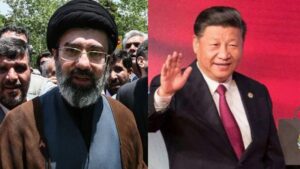
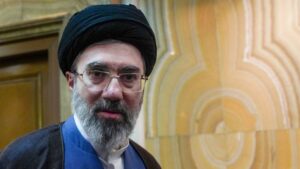
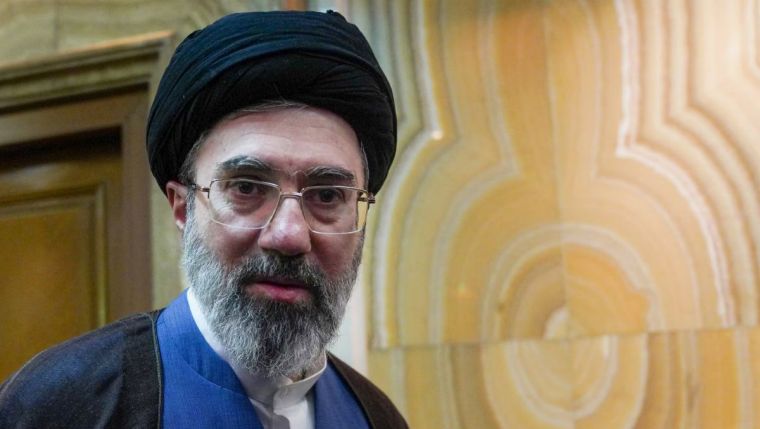
In a dramatic shift from escalating war rhetoric to cautious diplomacy, Iran’s Supreme Leader Mojtaba Khamenei has emerged as a central figure behind the scenes in securing the recent two-week ceasefire with the United States. While global attention focused on public statements from Donald Trump and visible mediation efforts by regional players, it was Khamenei’s quiet yet decisive intervention that helped steer Tehran toward a temporary truce.
The ceasefire, announced at the last minute, has opened a fragile window for diplomacy—but insiders suggest it was months of internal recalibration and secret negotiations that made the breakthrough possible.
From Hardline Stance to Strategic Shift
Initially, Iran under Khamenei adopted a rigid stance, rejecting de-escalation proposals and demanding sweeping concessions from the United States, including compensation and recognition of its regional influence.
However, as the conflict intensified—impacting infrastructure, military capabilities, and internal governance—Tehran began reassessing its strategy. The war, which followed the assassination of former Supreme Leader Ali Khamenei, had already destabilized Iran’s leadership structure and strained decision-making processes.
Faced with mounting pressure, Mojtaba Khamenei shifted from outright rejection of talks to controlled engagement, setting the stage for a temporary ceasefire.
Secret Orders and Backchannel Diplomacy
According to reports, Khamenei played a direct role in initiating backchannel diplomacy. He reportedly instructed Iranian negotiators—often operating through intermediaries due to security threats—to explore a ceasefire framework with the United States.
This marked a significant turning point, as it was the first time since the war began that Iran’s top leadership actively pursued a negotiated pause.
Due to fears of targeted attacks and assassination attempts, communication was conducted through indirect methods, including handwritten messages and trusted intermediaries. This covert approach allowed Iran to negotiate without appearing weak publicly, maintaining its hardline image while quietly engaging in diplomacy.
Balancing Public Rhetoric with Private Strategy
Even as negotiations progressed, Khamenei maintained a strong public stance, emphasizing that the ceasefire did not signal the end of the war.
He ordered Iranian military forces to halt operations following the agreement but simultaneously warned that Iran remained ready to respond to any provocation.
This dual messaging served two purposes:
- Domestically: It reassured hardliners and military factions that Iran had not backed down
- Internationally: It preserved leverage in ongoing negotiations
This balancing act highlights Khamenei’s strategy of combining tactical restraint with strategic assertiveness.
The Role of Military and Political Pressure
Khamenei’s decision was also shaped by pressure from within Iran’s power structure, particularly the Islamic Revolutionary Guard Corps (IRGC), which plays a crucial role in both military and political affairs.
Having risen to power with strong backing from the IRGC, Khamenei had to carefully navigate internal expectations while responding to external realities.
The prolonged conflict had begun to take a toll on Iran’s military resources and economy, making a temporary pause increasingly necessary. At the same time, maintaining a posture of strength remained critical to preserving internal unity.
External Pressures and Strategic Calculations
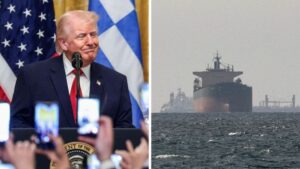
The timing of the ceasefire was heavily influenced by external factors. The United States had set a deadline for Iran to reopen the Strait of Hormuz or face intensified military strikes—a move that significantly raised the stakes.
Under these conditions, Khamenei authorized a controlled de-escalation, allowing Iran to:
- Avoid immediate large-scale military escalation
- Secure a pause to regroup and reassess
- Enter negotiations without conceding core demands
The ceasefire agreement also aligned with Iran’s broader strategy of leveraging its geopolitical position while minimizing direct confrontation.
Coordinated Diplomacy with Intermediaries
Khamenei’s efforts were complemented by mediation from countries like Pakistan, Turkey, and Egypt, which facilitated communication between Washington and Tehran.
These intermediaries helped translate Khamenei’s directives into actionable diplomatic proposals, including a reported 10-point framework that formed the basis of the truce.
The coordination between Iran’s internal leadership and external mediators underscores the complexity of modern diplomacy, where multiple actors work simultaneously behind the scenes.
A Fragile Truce, Not a Final Peace
Despite the breakthrough, Khamenei has made it clear that the ceasefire is only temporary. He has repeatedly warned that the conflict is far from over and that Iran remains prepared for further confrontation if necessary.
This reflects the underlying reality: the ceasefire is a tactical pause rather than a long-term resolution.
Key issues—such as sanctions, regional influence, and security guarantees—remain unresolved, and negotiations during the two-week window will be critical in determining the next phase of the conflict.
Leadership Style: Power from the Shadows
Mojtaba Khamenei’s role in the ceasefire highlights his leadership style—one that relies heavily on behind-the-scenes influence rather than public visibility.
Since assuming power in March 2026 following his father’s death, Khamenei has operated in a highly volatile environment marked by war, internal divisions, and external pressure.
His ability to orchestrate a ceasefire under such conditions suggests a pragmatic approach that blends ideological rigidity with tactical flexibility.
Global Implications
The ceasefire has had immediate global repercussions, including easing oil prices and boosting financial markets. More importantly, it has demonstrated that even in highly polarized conflicts, backchannel diplomacy can play a निर्णायक role.
Khamenei’s involvement also signals a shift in Iran’s diplomatic posture—one that could shape future negotiations not only with the United States but also with other global powers.
Conclusion
The US-Iran ceasefire is not just a result of international mediation or last-minute negotiations—it is also a reflection of calculated decision-making at the highest levels of Iran’s leadership.
Mojtaba Khamenei, operating largely out of public view, has demonstrated his ability to influence the course of a major geopolitical crisis. By combining covert diplomacy, strategic timing, and controlled messaging, he played a pivotal role in securing a temporary pause in one of the world’s most volatile conflicts.
As the ceasefire period unfolds, the real test will be whether this behind-the-scenes diplomacy can translate into lasting peace—or whether it remains just a brief pause in a much larger confrontation.