How China Quietly Helped Broker US-Iran Ceasefire: Inside Beijing’s Strategic Backchannel Diplomacy
How China Quietly Helped Broker US-Iran Ceasefire: Inside Beijing’s Strategic Backchannel Diplomacy
In a major geopolitical development that has captured global attention, China’s quiet yet influential diplomatic efforts have emerged as a key factor behind the recent two-week ceasefire between the United States and Iran. While Pakistan has been widely credited for visible mediation, multiple reports indicate that Beijing played a decisive behind-the-scenes role in nudging Tehran toward negotiations and helping avert a wider regional war.
The ceasefire, announced by U.S. President Donald Trump just hours before a major military escalation deadline, has opened a critical diplomatic window. But behind the scenes, China’s strategic calculations, economic interests, and coordinated outreach appear to have significantly shaped the outcome.
China’s Silent Push for De-escalation
According to officials and reports, China maintained continuous communication with Iran throughout the conflict and actively encouraged Tehran to engage in negotiations.
Chinese diplomats reportedly worked through a network of intermediaries—including Pakistan, Turkey, and Egypt—to persuade Iran that a temporary truce would serve its long-term interests.
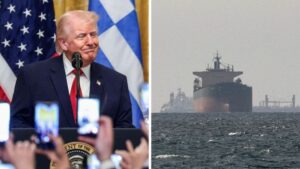
U.S. President Donald Trump himself hinted at Beijing’s involvement, acknowledging that China may have helped bring Iran to the negotiating table.
This indirect approach allowed China to exert influence without taking on a public leadership role, maintaining its image as a neutral global power while still shaping the outcome.
Strategic Interests Driving Beijing’s Role
China’s involvement in the ceasefire was not purely altruistic. The country has deep economic and strategic ties with Iran, including being one of its largest trading partners and a major buyer of Iranian oil.
The ongoing conflict had threatened to disrupt energy supplies through the Strait of Hormuz—a critical artery for global oil shipments and a lifeline for China’s energy security.
By pushing for de-escalation, Beijing aimed to stabilize oil flows, prevent further price shocks, and protect its own economic interests. Analysts suggest that a prolonged conflict could have severely impacted China’s industrial output and trade balance.
Additionally, China has been positioning itself as a global mediator in international conflicts. Its involvement in the Iran ceasefire aligns with its broader ambition to project diplomatic influence and present itself as a stabilizing force in contrast to Western interventionist policies.
Coordinated Diplomacy with Regional Players
China did not act alone. Instead, it worked in coordination with regional and international actors, particularly Pakistan, which played the frontline role in facilitating talks between Washington and Tehran.
This multi-layered diplomatic strategy allowed China to amplify its influence without becoming the face of negotiations. While Pakistan handled direct communication, China provided strategic backing and pressure points, especially on Iran.
Reports suggest that Beijing supported proposals like the Islamabad framework, which laid the groundwork for the temporary ceasefire and future peace talks.
This collaborative approach reflects a broader shift in global diplomacy, where emerging powers increasingly work together to manage regional crises.
Timing and Geopolitical Calculations
The timing of China’s involvement was also crucial. President Trump is expected to visit Beijing in the coming weeks, and a prolonged conflict with Iran could have complicated diplomatic engagements between the two global powers.
By helping secure a ceasefire, China not only stabilized the Middle East but also created a more favorable environment for upcoming high-level talks with the United States.
Moreover, Beijing’s actions may have been aimed at preventing further U.S. military escalation in the region, which could have shifted the balance of power and drawn in additional global players.
A Balancing Act: Neutrality vs Influence
Despite its involvement, China has carefully maintained a neutral public stance. It has avoided direct military participation and refrained from overtly siding with either the United States or Iran.
This balancing act allows Beijing to preserve relationships with both sides while quietly advancing its strategic objectives.
At the same time, China has used international platforms to call for restraint and emphasize the need for dialogue, warning that prolonged conflict could destabilize global markets and energy supplies.
Global Implications of China’s Role
China’s behind-the-scenes diplomacy in the US-Iran ceasefire highlights a significant shift in global power dynamics. It underscores Beijing’s growing ability to influence major geopolitical outcomes without direct confrontation.
The development also raises important questions about the future of global conflict resolution. As traditional Western powers face increasing challenges, countries like China are stepping in to fill the diplomatic vacuum.
However, experts caution that the ceasefire remains fragile. While China’s involvement helped bring both sides to the table, sustaining peace will require continued cooperation and trust among all parties involved.
Conclusion
The US-Iran ceasefire is not just a story of last-minute diplomacy—it is also a testament to China’s rising influence on the global stage. By quietly leveraging its economic ties, diplomatic networks, and strategic positioning, Beijing played a crucial role in shaping the outcome of one of the most volatile conflicts in recent times.
As the world watches the next phase of negotiations, China’s role may continue to evolve—from a silent facilitator to a more prominent architect of peace in the Middle East.