RBI Keeps Repo Rate Unchanged at 5.25%: Home Loan EMIs to Stay Stable in FY27 Amid Global Uncertainty
RBI Keeps Repo Rate Unchanged at 5.25%: Home Loan EMIs to Stay Stable in FY27 Amid Global Uncertainty
In a much-anticipated move aimed at maintaining economic stability, the Reserve Bank of India (RBI) has decided to keep its benchmark repo rate unchanged at 5.25% during the April 2026 Monetary Policy Committee (MPC) meeting. The decision ensures that loan EMIs—especially home loans—are likely to remain stable in the near term, offering relief to borrowers amid rising global uncertainties.
The rate pause comes at a time when geopolitical tensions, particularly in the Middle East, and volatile crude oil prices are posing fresh challenges to the Indian economy.
Repo Rate Unchanged, EMIs Remain Stable
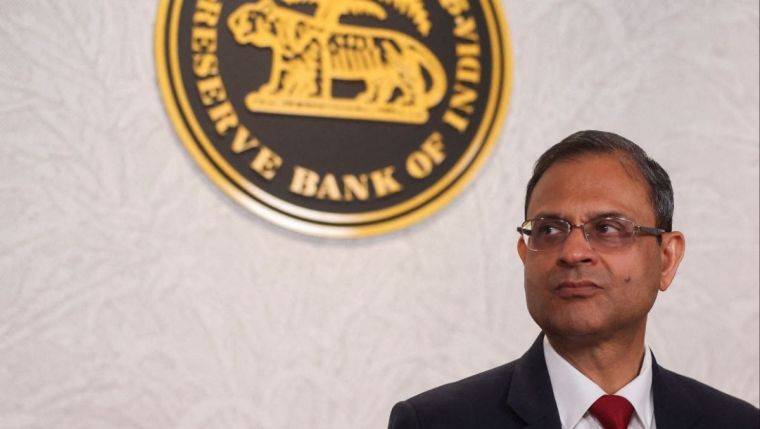
The RBI’s six-member MPC, chaired by Governor Sanjay Malhotra, unanimously voted to maintain the repo rate at 5.25% while continuing with a “neutral” policy stance.
This means that borrowers with repo-linked loans—especially home loans—will not see any immediate change in their monthly EMIs. The move provides much-needed predictability for households managing long-term loans.
For instance, borrowers who benefited from earlier rate cuts in 2025 will continue to enjoy reduced EMIs. A ₹50 lakh home loan over 20 years has already seen monthly savings of around ₹3,000 due to past rate reductions, and the current status quo ensures those benefits continue.
Why RBI Chose Stability Over Rate Changes
The RBI’s decision reflects a cautious “wait-and-watch” approach as it balances inflation risks with growth concerns.
India is currently facing multiple external pressures, including rising oil prices and global supply disruptions triggered by geopolitical tensions. These factors could push inflation higher in the coming months.
At the same time, domestic inflation remains within the RBI’s target range, giving the central bank room to hold rates steady rather than tightening policy aggressively.
By maintaining rates, the RBI aims to:
- Support economic growth
- Prevent sudden increases in borrowing costs
- Ensure liquidity and financial stability
Inflation and Growth Outlook for FY27
The central bank has projected India’s inflation at around 4.6% for FY2026-27, which is within its target band of 2–6%.
However, upside risks remain due to:
- Elevated crude oil prices
- Global geopolitical instability
- Supply chain disruptions
On the growth front, GDP is expected to expand at 6.9% in FY27, slightly lower than the previous year’s 7.6%, indicating a moderation in economic momentum.
This outlook highlights the RBI’s challenge: sustaining growth while keeping inflation under control.
Relief for Home Loan Borrowers
The RBI’s decision has come as a significant राहत (relief) for millions of home loan borrowers across India.
Since most modern home loans are linked to external benchmarks like the repo rate, any change in the rate directly impacts EMIs. With the rate unchanged:
- EMIs remain steady
- Household budgets stay predictable
- Borrowers continue to benefit from earlier rate cuts
This stability is particularly important at a time when inflation and living costs remain uncertain.
Global Factors Influencing RBI Policy
The April MPC decision was heavily influenced by global developments, especially the recent conflict involving Iran and its impact on oil prices and financial markets.
India, being one of the world’s largest oil importers, is highly sensitive to crude price fluctuations. A sustained rise in oil prices could:
- Increase inflation
- Widen the fiscal deficit
- Put pressure on the rupee
The RBI acknowledged that disruptions in energy markets could adversely impact the economy, reinforcing the need for a cautious policy stance.
Neutral Stance Signals Flexibility
By maintaining a “neutral” stance, the RBI has kept its options open for future policy moves.
This means the central bank is ready to:
- Increase rates if inflation spikes
- Cut rates if growth slows significantly
Such flexibility is crucial in an unpredictable global environment.
Experts believe that the current rate pause may signal the end of the rate-cut cycle, with future decisions depending on inflation trends and global developments.
What It Means for Borrowers and Businesses
For individuals and businesses alike, the RBI’s decision offers short-term stability:
For borrowers:
- No immediate EMI hikes
- Continued benefit of lower interest rates
For businesses:
- Stable borrowing costs
- Better planning amid uncertainty
For markets:
- Reduced volatility
- Confidence in policy continuity
Challenges Ahead
Despite the current stability, risks remain on the horizon.
Key concerns include:
- Rising global crude prices
- Currency fluctuations
- Potential inflation spikes
- Slowing global demand
Economists warn that if inflation rises beyond comfort levels, the RBI may be forced to reconsider its stance in upcoming policy meetings.
Conclusion
The RBI’s decision to hold the repo rate at 5.25% underscores its focus on stability in a volatile global environment. By keeping EMIs unchanged, the central bank has provided immediate relief to borrowers while maintaining flexibility to respond to future economic challenges.
As India navigates FY2026-27, the balance between growth and inflation will remain critical. For now, borrowers can breathe easy—but the road ahead will depend on how global and domestic risks evolve in the coming months.