Trump Shifts Strategy on Strait of Hormuz as Iran Crisis Deepens, Global Energy Markets on Edge
Trump Shifts Strategy on Strait of Hormuz as Iran Crisis Deepens, Global Energy Markets on Edge
Washington / Middle East: The ongoing crisis in the strategically vital Strait of Hormuz has taken a dramatic turn as former U.S. President Donald Trump appears to shift his stance on how to handle the escalating conflict with Iran. The evolving strategy reflects a mix of military pressure, diplomatic uncertainty, and economic concerns, as global markets and geopolitical stability hang in the balance.
The Strait of Hormuz, through which nearly 20% of the world’s oil supply passes, has become the focal point of rising tensions between the United States, Israel, and Iran.
From De-escalation Signals to Military Ultimatum
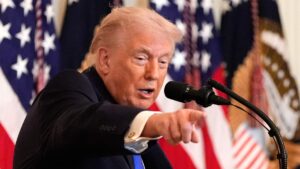
In recent days, Trump’s approach has appeared inconsistent, highlighting the complexity of the crisis. Just days ago, he suggested that the United States might consider winding down its military campaign against Iran—even if the Strait of Hormuz remained partially blocked.
However, that position changed sharply when Trump issued a 48-hour ultimatum to Iran, demanding that the strait be fully reopened or face direct U.S. military strikes targeting Iranian infrastructure.
This abrupt shift underscores a broader strategic dilemma: whether to avoid deeper military involvement or escalate forcefully to secure global energy routes.
Why the Strait of Hormuz Matters
The Strait of Hormuz is one of the world’s most critical maritime chokepoints, connecting the Persian Gulf to global markets. Any disruption in this narrow passage has immediate consequences for oil prices, shipping, and global economic stability.
Since the escalation of conflict in late February 2026, Iran has effectively restricted passage for vessels linked to the U.S. and its allies, causing a dramatic drop in shipping traffic.
Reports indicate that maritime movement through the strait has plunged by as much as 95%, leaving thousands of seafarers stranded and creating a major supply shock in global energy markets.
Military Build-Up and Strategic Options
As tensions intensify, the U.S. has significantly increased its military presence in the region. Reports suggest that thousands of troops, advanced fighter jets, and naval assets have been deployed, signaling readiness for a potential large-scale operation.
Among the options reportedly considered by Trump’s administration are:
- Targeted strikes on Iranian infrastructure
- Seizure or blockade of key oil facilities like Kharg Island
- Naval escort operations for commercial shipping
- Formation of an international coalition to secure the strait
However, these options come with significant risks, including the possibility of a broader regional war.
Iran’s Response and Escalation Risks
Iran has responded aggressively to U.S. threats, warning that any attack on its infrastructure would trigger retaliation against American interests and allied energy facilities in the region.
Tehran has also indicated that it could escalate the conflict further by targeting critical infrastructure, including power plants and oil installations across the Middle East.
This tit-for-tat escalation has raised fears of a wider conflict that could destabilize the entire region.
Global Oil Markets Feel the Heat
The crisis has already sent shockwaves through global energy markets. Oil prices have surged sharply in recent weeks, reflecting fears of prolonged disruption.
Analysts note that while markets are currently pricing in a possible resolution, this optimism may be misplaced. In fact, some experts warn of a “Catch-22” scenario—where expectations of peace delay decisive action, prolonging the crisis.
The reduction in oil supply, estimated at millions of barrels per day, has particularly impacted energy-dependent regions such as Asia and Africa.
Allies Reluctant to Join U.S. Efforts
Another key challenge for Trump has been the lack of strong international support. While the U.S. has called on allies to join a coalition to secure the strait, many countries have been hesitant.
European nations, in particular, have shown reluctance to expand their military involvement, citing concerns over escalation and unclear strategic objectives.
This has left the U.S. largely leading the response, adding pressure on Washington to balance military action with diplomatic efforts.
Domestic Pressure and Strategic Uncertainty
Back home, Trump is also facing growing scrutiny over his handling of the crisis. Critics argue that the administration’s shifting stance has created uncertainty and increased risks.
Some analysts believe the strategy reflects an “escalate to de-escalate” approach—using military pressure to force negotiations or compliance.
However, others warn that such a strategy could backfire, leading to unintended consequences and a prolonged conflict.
A Defining Moment for Global Geopolitics
The Strait of Hormuz crisis has become a defining moment for global geopolitics in 2026. It highlights the fragile balance between military power, economic stability, and international cooperation.
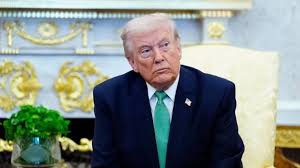
Trump’s changing course—from signaling a possible withdrawal to issuing direct military threats—illustrates the high stakes involved. The decisions made in the coming days could have far-reaching implications for:
- Global energy security
- U.S.-Iran relations
- Stability in the Middle East
- International alliances
Conclusion
As tensions continue to rise, the world watches closely how the situation in the Strait of Hormuz unfolds. President Donald Trump’s evolving strategy reflects the complexity of the crisis—caught between avoiding a wider war and ensuring the free flow of global energy supplies.
With military build-ups, economic pressures, and diplomatic challenges converging, the coming days will be crucial in determining whether the crisis moves toward resolution or further escalation.
For now, the Strait of Hormuz remains not just a strategic waterway, but the epicenter of a global geopolitical storm.