US Strikes Iranian Missile Sites Near Strait of Hormuz with 5,000-Pound Bunker-Buster Bombs
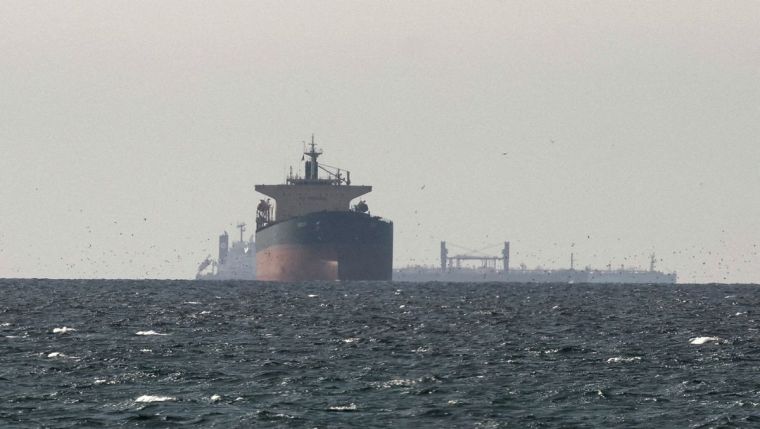
US Strikes Iranian Missile Sites Near Strait of Hormuz with 5,000-Pound Bunker-Buster Bombs
In a significant escalation of tensions in the Middle East, the United States has launched a series of powerful airstrikes targeting Iranian missile installations along the country’s southern coastline near the Strait of Hormuz. The operation involved the use of 5,000-pound “bunker-buster” bombs—among the most potent conventional weapons in the US arsenal—aimed at neutralising what Washington described as a direct threat to international shipping.
According to the US Central Command (CENTCOM), multiple deep-penetrator munitions were deployed against fortified Iranian missile sites positioned near the strategically vital waterway. The strikes specifically targeted anti-ship cruise missile systems that, US officials said, posed a serious risk to commercial vessels navigating the Strait.
The Strait of Hormuz is one of the world’s most critical maritime chokepoints, with roughly one-fifth of global oil supplies passing through it. Any disruption in this narrow corridor between the Persian Gulf and the Arabian Sea has immediate and far-reaching consequences for global energy markets. Recent developments have heightened those concerns, as Iran reportedly moved to restrict or shut down traffic through the strait amid ongoing hostilities.
US officials framed the airstrikes as a necessary step to ensure the safety of international shipping lanes and to restore freedom of navigation in the region. In a statement, CENTCOM said the targeted missile systems were capable of striking vessels and had created an unacceptable risk in one of the busiest oil transit routes in the world.
The use of bunker-buster bombs underscores the seriousness of the operation. These specialised munitions are designed to penetrate deep underground before exploding, making them particularly effective against hardened or buried military infrastructure such as missile silos and fortified bunkers. Their deployment suggests that the Iranian facilities were heavily reinforced and considered high-value targets.
The strikes come at a time of intensifying conflict involving the United States, Iran, and Israel, with multiple fronts of confrontation across the region. In recent days, Iran has launched missile and drone attacks targeting Israel and several Gulf countries, while US and Israeli forces have continued coordinated operations against Iranian military assets.
The immediate trigger for the US action appears to be Iran’s efforts to disrupt maritime traffic in the Strait of Hormuz. Reports indicate that Tehran has used a combination of naval forces, drones, mines, and missile systems to effectively blockade or threaten the passage, leading to a sharp spike in global oil prices and widespread चिंता over energy security.
Despite the strategic rationale provided by Washington, the move also highlights growing international divisions over the conflict. US President Donald Trump has reportedly struggled to secure broader support from allies for a coordinated naval mission to safeguard shipping in the region. Several NATO partners are said to have declined participation, reflecting concerns about further escalation and the risk of a wider war.
Iran, for its part, has maintained that it is acting in response to what it describes as aggression by the United States and Israel. Iranian officials have warned that the situation in the Strait of Hormuz will not return to normal and have signalled the possibility of further retaliatory measures.
The latest airstrikes also follow a series of earlier US operations targeting Iranian military infrastructure, including a major bombing campaign on Kharg Island—an important hub for Iran’s oil exports. Those strikes were seen as part of a broader strategy to weaken Iran’s military capabilities while avoiding direct damage to critical energy infrastructure.
Analysts say the current escalation raises serious questions about the stability of the Gulf region and the global economy. With energy markets already under pressure, any prolonged disruption in the Strait of Hormuz could trigger sustained increases in oil prices, supply shortages, and ripple effects across international trade.
Moreover, the risk of miscalculation remains high. The presence of advanced missile systems, naval forces, and multiple state actors in close proximity increases the likelihood of further clashes. The use of high-powered munitions such as bunker-buster bombs also signals a willingness to escalate militarily, potentially drawing in additional regional and global players.
As the situation continues to unfold, the international community faces mounting pressure to de-escalate tensions and ensure the security of one of the world’s most vital economic lifelines. However, with both sides showing little sign of backing down, the Strait of Hormuz remains at the centre of a rapidly deepening geopolitical crisis.