‘Self-Styled Vishwaguru Exposed’: Congress Targets PM Modi Over Pakistan’s Role in US-Iran Ceasefire
‘Self-Styled Vishwaguru Exposed’: Congress Targets PM Modi Over Pakistan’s Role in US-Iran Ceasefire
In a sharp political attack that has intensified the debate over India’s foreign policy, the Congress party has targeted Prime Minister Narendra Modi following Pakistan’s prominent role in brokering the recent US-Iran ceasefire. Calling it a “severe setback” to India’s diplomatic positioning, the opposition described the development as proof that the “self-styled Vishwaguru stands thoroughly exposed.”
The criticism comes in the backdrop of a two-week ceasefire agreement between the United States and Iran, facilitated largely through Pakistan’s diplomatic intervention, which has drawn global attention and triggered political reactions within India.
Congress Takes Swipe at ‘Vishwaguru’ Narrative
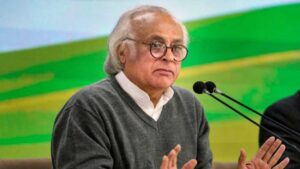
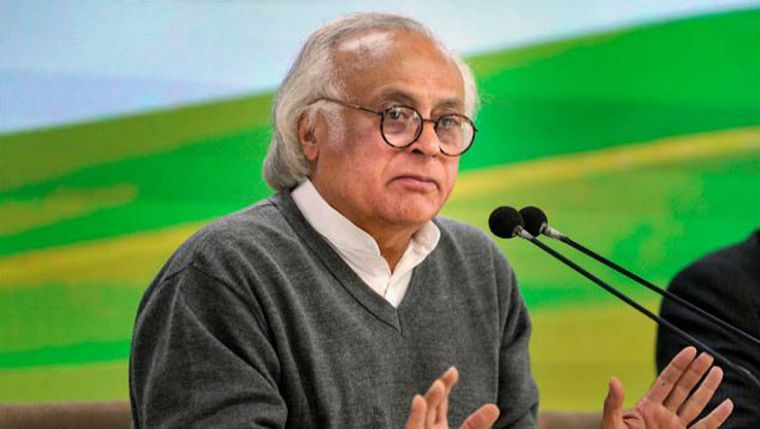
Congress General Secretary Jairam Ramesh led the attack, questioning the effectiveness of Prime Minister Modi’s foreign policy and his frequently projected image of India as a global leader or “Vishwaguru.”
According to the Congress, Pakistan’s role in mediating between Washington and Tehran represents a major diplomatic blow to India’s global standing. The party argued that despite India’s efforts to isolate Pakistan internationally, Islamabad has emerged as a key player in a major geopolitical breakthrough.
Ramesh stated that the entire world may cautiously welcome the ceasefire, but the fact that Pakistan is hosting talks and facilitating negotiations raises serious questions about India’s diplomatic outreach and influence.
Pakistan’s Role in Ceasefire Sparks Debate
The ceasefire between the US and Iran, announced just hours before a potential escalation, was largely made possible through mediation efforts led by Pakistan. Prime Minister Shehbaz Sharif invited representatives from both nations to Islamabad for further negotiations aimed at a long-term resolution.
Global reports confirm that Pakistan played a central role in facilitating communication between the two sides and pushing for a diplomatic solution.
This development has triggered political debate in India, as Pakistan—often viewed as diplomatically isolated—has managed to position itself as a key intermediary in a high-stakes international conflict.
Congress Calls It a ‘Setback’ to Modi’s Diplomacy
The Congress party described Pakistan’s involvement as a “severe setback” to what it termed Prime Minister Modi’s “highly personalised diplomacy.”
The opposition argued that India’s foreign policy under Modi has heavily relied on personal relationships and high-profile global engagements, but the recent developments in West Asia suggest a gap between perception and reality.
The party also questioned why India was not able to play a more active role in facilitating peace talks, especially given its strategic ties with both the United States and countries in the Middle East.
Questions Raised Over India’s Silence
Another key point raised by the Congress was the government’s alleged silence on major developments in the West Asia conflict, including Israeli actions and escalating tensions in the region.
Ramesh criticized the Prime Minister for not taking a clear public stand on these issues, suggesting that this silence has weakened India’s global voice.
The opposition also took issue with what it described as the “language” used by US leadership during the conflict, arguing that India should have responded more assertively given its strategic interests.
Broader Criticism of Foreign Policy Strategy
The criticism is not limited to the ceasefire alone. Congress leaders have used the episode to question the broader direction of India’s foreign policy.
They argue that India’s attempt to project itself as a global leader has not translated into tangible diplomatic influence in critical situations. The emergence of Pakistan and even China as key players in the US-Iran negotiations has been cited as evidence of this gap.
According to political analysts, the situation highlights a shift in global diplomacy, where regional players are increasingly taking on mediation roles traditionally dominated by larger powers.
Government Yet to Respond Strongly
As of now, there has been no strong official response from the central government addressing the Congress’s criticism directly. However, earlier statements from the government indicated that India has been in touch with all parties involved and supports peaceful resolution of the conflict.
The government has also emphasized India’s long-standing ties with West Asian countries and its commitment to regional stability.
Political Implications Ahead
The controversy is likely to have significant political implications, especially as foreign policy becomes an increasingly debated topic in domestic politics.
The Congress’s attack aims to challenge the narrative of India as a rising global power under Modi’s leadership, while the ruling BJP is expected to defend its diplomatic record and highlight its achievements on the global stage.
This debate could shape political discourse in the coming months, particularly as India navigates complex international challenges.
Global Context: Why the Ceasefire Matters
The US-Iran ceasefire itself is a major geopolitical development. It came after weeks of escalating conflict that disrupted global energy supplies and raised fears of a wider war.
The agreement, mediated through Pakistan and other intermediaries, includes provisions for reopening the Strait of Hormuz and continuing diplomatic talks.
The ceasefire has already had a positive impact on global markets, with oil prices stabilizing and investor confidence improving.
A Moment of Reflection for India?
The political storm triggered by Pakistan’s role in the ceasefire raises broader questions about India’s place in global diplomacy.
While India remains a major economic and strategic power, the current developments suggest that influence in international negotiations depends not just on status, but also on active engagement and timely intervention.
For the Modi government, the challenge will be to address these criticisms while reinforcing India’s diplomatic presence on the global stage.
Conclusion
The Congress party’s sharp remarks on the US-Iran ceasefire and Pakistan’s role have reignited the debate over India’s foreign policy and global standing. By calling the “Vishwaguru” narrative into question, the opposition has turned an international development into a key domestic political issue.
As global diplomacy continues to evolve, the episode serves as a reminder that geopolitical influence is constantly being tested—and that even symbolic narratives must be backed by tangible outcomes.