Iran Confirms Death of Intelligence Chief Esmaeil Khatib in Israeli Airstrikes, Issues Stark Warning to Gulf Nations
Iran Israel conflict, Esmaeil Khatib death, Middle East crisis 2026, Israeli airstrikes Iran, Gulf energy security, Iran retaliation warning, Ali Larijani killed, global oil prices, Iran war news
In a dramatic escalation of the ongoing Middle East conflict, Iran has confirmed the death of its Intelligence Minister Esmaeil Khatib following a series of Israeli airstrikes, even as Tehran issued a strong warning to Gulf nations, signalling a widening regional crisis.
The killing of Khatib marks one of the most significant blows to Iran’s leadership structure in recent years and comes amid intensifying hostilities involving Israel, the United States, and Iran. The development has heightened fears of a broader regional war, particularly as energy infrastructure and strategic assets come under increasing threat.
High-Level Assassinations Shake Iran
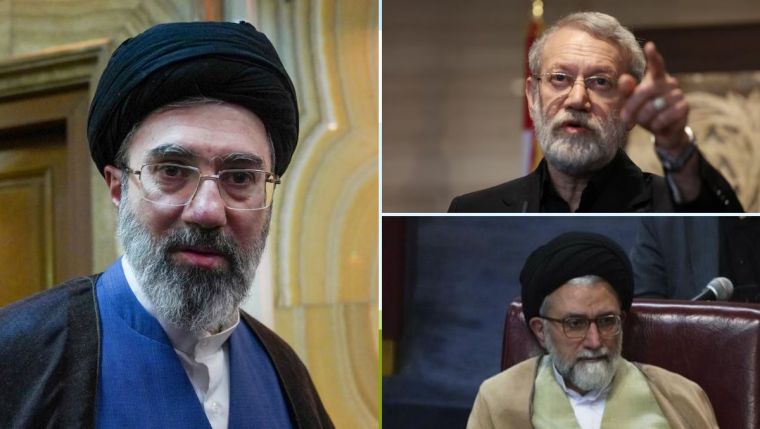
Iranian authorities acknowledged that Esmaeil Khatib was among several senior officials killed in Israeli strikes targeting key leadership figures. His death follows closely on the heels of other high-profile assassinations, including that of security chief Ali Larijani and senior military figures, indicating a coordinated campaign aimed at destabilising Iran’s command structure.
Israeli officials have claimed responsibility for the strikes, describing them as part of a broader effort to dismantle Iran’s military and intelligence leadership. According to reports, Israel has granted its military expanded authority to target top Iranian officials without requiring additional political clearance, reflecting an aggressive shift in strategy.
Khatib, who headed Iran’s intelligence apparatus, was considered a key figure in overseeing both domestic security operations and external intelligence missions. His elimination is expected to significantly disrupt Iran’s intelligence capabilities in the short term, even as Tehran moves to reconstitute its leadership.
Rapid Escalation in Conflict
The assassination of multiple Iranian leaders within a short span underscores the intensity of the current conflict. Reports indicate that at least three top officials were killed within 24 to 48 hours, marking one of the most concentrated targeting campaigns in recent history.
In response, Iran has already launched retaliatory missile and drone attacks targeting Israeli territory as well as strategic sites linked to US interests and Gulf nations. These retaliatory strikes have caused casualties and damage, signalling that the conflict is rapidly expanding beyond bilateral hostilities.
The situation has also triggered disruptions in global energy markets, with oil prices rising sharply amid fears of supply instability. Key infrastructure, including gas fields and export hubs, has come under direct threat as both sides escalate their military actions.
Warning to Gulf Nations
Perhaps the most alarming development is Iran’s warning to Gulf countries. Iranian leadership has reportedly indicated that energy facilities in the region could be considered “legitimate targets” if they are perceived to support US or Israeli operations.
This warning has raised concerns across the Gulf, where major oil and gas installations play a critical role in global energy supply. Countries such as Qatar and the United Arab Emirates have already expressed alarm over recent strikes on energy infrastructure, warning that such actions could have severe environmental and economic consequences.
The targeting of energy assets represents a dangerous escalation, as it risks disrupting global oil and gas flows and could trigger wider economic fallout. Analysts warn that any sustained attacks on Gulf infrastructure could send shockwaves through international markets and exacerbate geopolitical tensions.
Strategic Energy Targets Under Fire
The conflict has already seen direct attacks on critical energy infrastructure. Israeli strikes on Iran’s South Pars gas field—one of the world’s largest natural gas reserves—have caused significant production disruptions, highlighting the vulnerability of energy assets in the region.
The South Pars field is not only vital for Iran’s economy but is also closely linked to Qatar’s North Field, making it a shared asset with broader regional implications. Any damage to such facilities carries risks not just for Iran but for global energy security as a whole.
Additionally, previous strikes on strategic locations like Kharg Island, a major oil export hub, demonstrate the increasing focus on economic targets in the conflict. These attacks aim to weaken Iran’s financial and logistical capabilities while sending a strong geopolitical message.
Global Reactions and Rising Tensions
The international community has expressed growing concern over the escalating situation. Gulf nations have condemned attacks on energy infrastructure, calling them reckless and warning of potential humanitarian and environmental consequences.
Meanwhile, the United States has signalled support for Israel’s actions, with officials describing the elimination of key Iranian figures as beneficial to regional security. However, Washington’s involvement has also drawn criticism and heightened tensions with Iran, which views the strikes as part of a coordinated campaign.
The ongoing conflict has also impacted diplomatic relations, with several countries urging restraint and calling for de-escalation to prevent a full-scale regional war.
A Region on Edge
The confirmation of Esmaeil Khatib’s death marks a turning point in the current conflict, highlighting the increasing willingness of Israel to directly target Iran’s top leadership. At the same time, Iran’s warnings to Gulf nations suggest that the conflict could soon engulf a much wider region.
With retaliatory attacks already underway and strategic assets under threat, the risk of a broader war in the Middle East has grown significantly. The situation remains highly volatile, with both sides showing little indication of backing down.
As tensions continue to rise, the world is watching closely, aware that further escalation could have far-reaching consequences—not only for the region but for global security and economic stability.