Bihar “Singham” Shivdeep Lande’s Political Debut Falters: Former IPS Officer Suffers Twin Defeat
Bihar “Singham” Shivdeep Lande’s Political Debut Falters: Former IPS Officer Suffers Twin Defeat
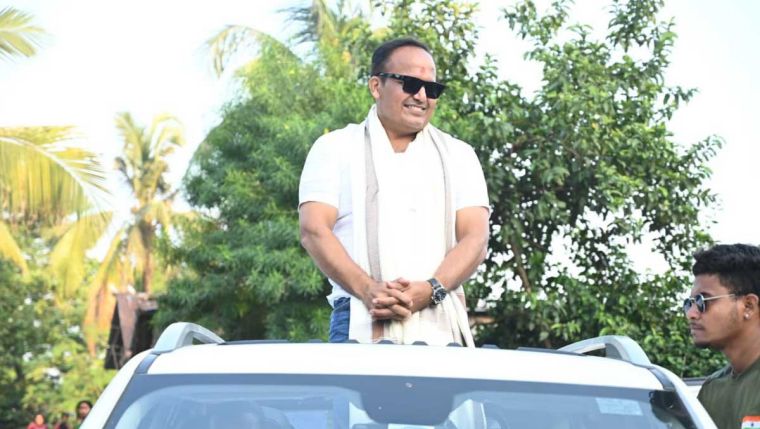
In a stunning outcome in the 2025 Bihar Assembly elections, former IPS officer Shivdeep Wamanrao Lande, widely known as Bihar’s “Singham,” has faced a crushing setback — he lost from both Araria and Jamalpur constituencies, marking a disappointing start to his political career.
Lande, who voluntarily retired from the Indian Police Service in 2024, entered the election as an independent candidate. He contested in two high-profile seats, hoping to leverage his reputation as a no-nonsense policing icon. But his star power failed to translate into votes, and he was soundly defeated in both constituencies.
Twin Losses: Araria and Jamalpur
In Jamalpur, Lande could not break into the leading two. He lost to the Janata Dal (United) candidate Nachiketa Mandal, who won decisively. Lande’s vote share fell far short of expectations, underscoring the difficulty of converting public service goodwill into electoral success.
In Araria, a region where Lande once served as Superintendent of Police and earned public recognition, his campaign fared even worse. Abidur Rahman of the Congress party clinched the seat, defeating the JD-U candidate, while Lande trailed behind established political players. Despite his personal story and outsider status, he couldn’t break the existing political order.
Why Lande’s Loss Matters
- High Profile, Little Payoff
Lande’s transition from law enforcement to politics was one of the most watched stories of the Bihar polls. As a celebrated IPS officer, he carried substantial name recognition and social goodwill. Yet, his inability to win even one of the two seats suggests that voters did not see him as a credible political alternative. - Independent Bid Lacks Structural Support
Running without the backing of a major party can be a steep uphill battle. While Lande’s personal brand as “Singham” was strong, he lacked the organizational machinery, party cadre, and resource network that established politicians command. - Voter Loyalty Remains Anchor
His defeats highlight the stubborn strength of political loyalties in Bihar. Despite his law-and-order image, Lande could not pry away voters entrenched with mainstream parties. This indicates that even popular personalities may struggle without the backing of party infrastructure. - Mixed Message for Former Officers Entering Politics
Lande’s failure sends a cautionary signal for bureaucrats and former officers eyeing direct electoral politics. The allure of public service credentials may not be enough to guarantee political power without strategic alliance-building and ground-level work.
What Went Wrong? Key Missteps
- Absence of Party Platform: Lande’s independent status limited his reach among party-loyal voters. Without a party’s central structure, mobilization and campaign financing were more challenging.
- Local Political Dynamics: In both constituencies, seasoned politicians and local party workers enjoyed deep roots and voter loyalty. Lande’s outsider image may have alienated more than it inspired.
- Limited Ground Organization: A high-profile persona does not necessarily ensure a ground campaign team. Effective voter outreach often depends on boots-on-the-ground campaigners, which may have been underdeveloped in Lande’s case.
Reactions & Aftermath
Political observers interpret Lande’s double defeat as a strong rebuff from voters who preferred tried-and-tested party systems over star candidates. While his entry into politics attracted media attention, the election results suggest that his appeal was insufficient to overcome the entrenched political structures in Bihar.
Some within political circles expected Lande to align with regional or national parties before contesting, but he chose to go solo. That decision may ultimately have sealed his electoral fate.
What Next for Shivdeep Lande?
- Reassessment Required: After this setback, Lande will likely reassess whether an independent path is viable for future elections. Forging alliances with established parties may become a necessity.
- Building a Political Base: If he persists in politics, Lande must invest in building a dedicated cadre, local leadership, and grassroots presence — not just rely on his personal brand.
- Policy Focus: To remain relevant, he may need to articulate a clear policy agenda beyond law-and-order issues — focusing on development, education, health — to resonate with broader voters.
- Public Service Reimagined: Despite electoral failure, his entry into politics underscores the thirst for public-service-driven leaders; Lande could channel his influence into civil society or governance reforms regardless of electoral office.
Broader Implications for Bihar Politics
Lande’s defeat also illustrates a broader trend in Bihar’s 2025 elections: voters prefer party structures and established political identities over individual celebrity status, even when that individual is a respected former bureaucrat. His failure to break through may encourage other non-politicians to reconsider entry strategies and emphasize alliance-building over solo bids.
At the same time, his high-profile attempt elevates the conversation around meritocracy, leadership, and public image in Bihar politics. Though politics remains deeply rooted in party loyalty, Lande’s story could inspire a new generation of citizens-turned-politicians who seek to leverage public service backgrounds.
Conclusion
Shivdeep Lande’s double defeat in his political debut is a major blow to his ambitions. Despite his reputation as “Singham” and his clean service record, he could not make the transition to electoral politics. The losses in Araria and Jamalpur not only highlight the challenges facing independent candidates in Bihar but also cast doubt on whether high-profile bureaucrats can convert their public service image into political capital without strong party backing and grassroots infrastructure.