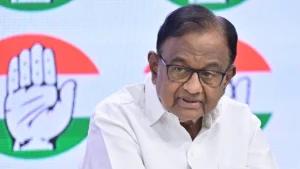
Humayun Kabir’s Aam Janata Unnayan Party Releases First List of 21 Candidates Ahead of Bengal Polls 2026
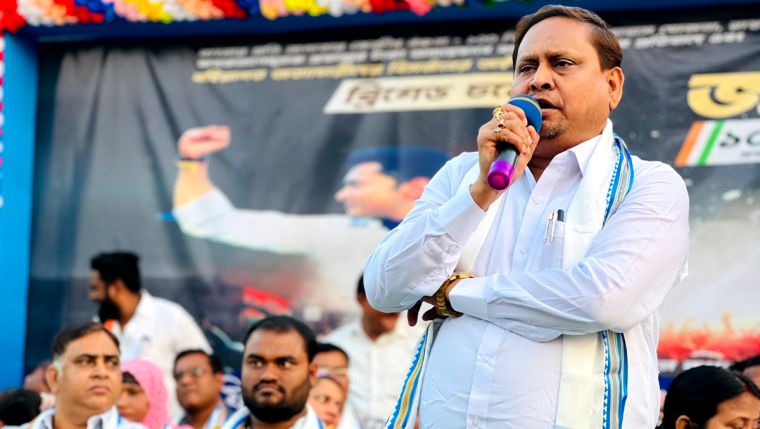
Humayun Kabir’s Aam Janata Unnayan Party Releases First List of 21 Candidates Ahead of Bengal Polls 2026
In a significant political development ahead of the 2026 West Bengal Legislative Assembly election, Humayun Kabir-led Aam Janata Unnayan Party (AJUP) has released its first list of 21 candidates, marking a major step in the party’s electoral preparations. The announcement signals the formal entry of a relatively new political force into what is expected to be a fiercely contested election in the state.
The candidate list reflects the party’s strategy to establish a foothold across key constituencies, particularly in districts like Murshidabad, Malda, and parts of South Bengal, where Kabir has traditionally enjoyed political influence. The move also underlines the party’s ambition to emerge as an alternative voice in West Bengal’s evolving political landscape.
A New Political Force Takes Shape
The Aam Janata Unnayan Party, originally launched in December 2025 as the Janata Unnayan Party, represents Kabir’s attempt to carve out an independent political identity after his exit from the Trinamool Congress.
The party was formed with a stated focus on development, minority rights, education, and employment, aiming to position itself as a grassroots-driven platform.
In early March 2026, the party was officially renamed to Aam Janata Unnayan Party following suggestions from the Election Commission, a move that also signalled its intent to formalise its presence in the electoral arena.
The release of the first candidate list is therefore being seen as a crucial milestone in the party’s journey from formation to electoral participation.
Key Highlights of the Candidate List
The first list of 21 candidates includes a mix of experienced politicians, newcomers, and local figures, indicating a strategy that blends familiarity with fresh appeal. While detailed constituency-wise data is still emerging, early indications suggest that the party has prioritised seats where it believes it can mount a strong challenge.
Notably, Kabir himself is expected to contest from multiple constituencies, a strategy that has already drawn attention in political circles. Reports suggest he may contest from seats in Murshidabad district, including Rejinagar and Nowda, both considered politically significant regions.
This approach mirrors tactics used by other prominent leaders in high-stakes elections, aimed at maximising political visibility and increasing the chances of electoral success.
Focus on Minority-Dominated Regions
A key feature of the AJUP’s candidate selection appears to be its focus on minority-dominated constituencies. Murshidabad, Kabir’s political stronghold, is expected to play a central role in the party’s campaign strategy.
The district has historically been a battleground for multiple parties, including the Trinamool Congress, Congress, and Left Front. By fielding candidates in these areas, AJUP is seeking to tap into existing voter bases while also appealing to communities that may feel underrepresented.
Political observers note that Kabir’s background and previous electoral success in the region could provide the party with an initial advantage, although translating that into a broader statewide presence remains a challenge.
Ambitious Electoral Plans
The release of 21 candidates is only the beginning of what appears to be an ambitious electoral plan. Kabir has previously indicated that his party aims to contest a large number of seats—potentially over 180—in the 294-member assembly.
Such an expansive strategy reflects the party’s desire to position itself as a major player rather than a marginal participant. However, it also presents logistical and organisational challenges, particularly for a relatively new political outfit.
The decision to roll out candidates in phases allows the party to maintain momentum while also refining its strategy based on political developments.
Electoral Landscape and Competition
The 2026 West Bengal Assembly election is shaping up to be a multi-cornered contest, with major players like the All India Trinamool Congress (AITC), Bharatiya Janata Party (BJP), and Left Front already announcing extensive candidate lists.
In this crowded political field, the emergence of AJUP adds another layer of complexity. While it may not immediately challenge the dominance of established parties, its presence could influence vote shares, particularly in closely contested constituencies.
Analysts suggest that even a modest performance by AJUP could have a significant impact on the overall electoral outcome, especially in regions where margins of victory are traditionally narrow.
Alliance Possibilities and Political Strategy
Kabir has also explored the possibility of forming alliances with like-minded parties, including smaller regional outfits and organisations representing minority interests. However, as of now, no formal alliance has been finalised.
Earlier discussions with parties such as the Indian Secular Front (ISF) and others have yielded mixed results, with Kabir indicating that his party is prepared to contest independently if necessary.
This flexible approach allows AJUP to keep its options open while focusing on building its organisational base.
Challenges Ahead
Despite the initial momentum, the Aam Janata Unnayan Party faces several challenges. As a new entrant, it lacks the extensive organisational network and resources available to established parties. Building a statewide presence within a limited timeframe will require significant effort.
Additionally, voter perception will play a crucial role. While Kabir’s personal political journey—from Congress to TMC, BJP, and now his own party—has kept him in the public eye, it also raises questions about ideological consistency.
To succeed, AJUP will need to clearly articulate its vision and differentiate itself from other parties competing for similar voter segments.
A New Dynamic in Bengal Politics
The release of the first list of 21 candidates marks the beginning of a new chapter in West Bengal politics. As the election approaches, the role of smaller and emerging parties like AJUP will be closely watched.
For voters, the presence of additional choices could reshape traditional voting patterns and introduce new dynamics into the electoral process.
As campaigning gains momentum, all eyes will be on how Humayun Kabir and his party navigate the complex political terrain and whether they can convert their early moves into meaningful electoral gains.
With the stakes high and competition intense, the 2026 West Bengal Assembly election promises to be one of the most closely contested and closely watched political battles in recent years.